
Gen Z Travel Trend: It Is No Longer Just About Beautiful Scenery, Authentic Experiences Have Become The Main Priority
Tuesday, 17 November 2026 | 13:30
Author: Arif S

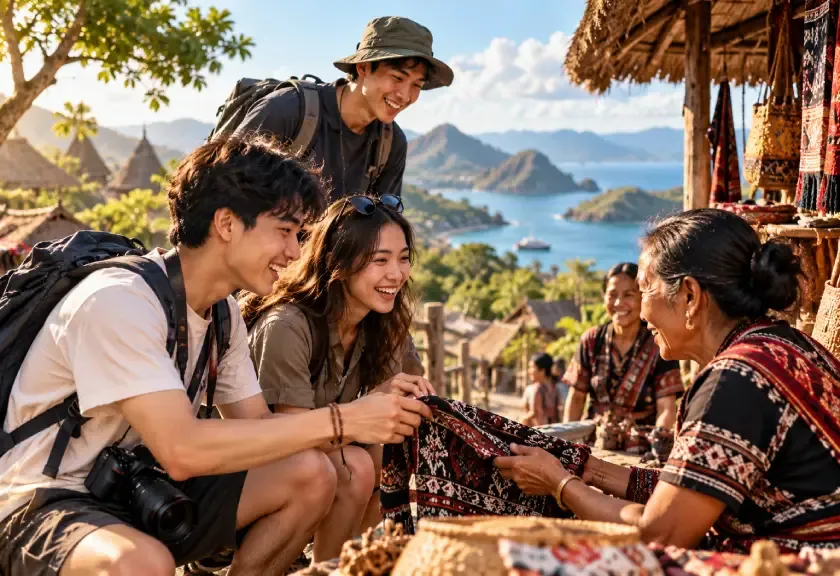
Nature Tourism is increasingly drawing the attention of Generation Z (Gen Z). Amidst the fast pace of urban life and constant digital routines, Young Generations have begun seeking Travel Experiences that offer natural scenery, adventure, peaceful atmosphere, as well as opportunities to understand local community life.
This shift can be observed from the rising interest in National Parks, mountains, beaches, rural areas, and Hidden Destinations or hidden gems.
Major cities still remain a travel option, but their appeal no longer relies solely on shopping centres and iconic buildings. Gen Z also looks for open public spaces, local culture, authentic regional cuisine, and more personal, meaningful travel experiences.
READ ALSO
Gen Z Travel Trend: Ditch the Crowds, Visit Hidden Gems and Undiscovered Destinations
Gen Z's Favorite Cities: Characteristics of the Young Generation's Dream Cities to Live and Thrive In
Gen Z Travel Trends: Social Media and AI Transform How Gen Z Chooses Travel Destinations
This trend is outlined in an Expedia Group report titled Travel with Purpose: How Gen Z & Millennials Are Redefining the Journey, published in May 2026. Research conducted across 7,000 travellers found that environmental concerns and Overtourism are increasingly shaping travel decisions for younger generations.
91 percent of Gen Z respondents in the study confirmed that environmental or social issues had influenced their travel plans at least once over the past 12 months.
Additionally, 94 percent stated they are willing to travel outside peak seasons to reduce overcrowding and support environmental preservation.
Interest in nature-based travel is also reflected in trip frequency. 34 percent of surveyed Gen Z travellers took 3 to 4 trips to National Parks or Nature Destinations annually. This figure is significantly higher compared to the Millennial group which only recorded 19 percent.
These findings confirm that nature tourism is not just a passing trend. The experience of being immersed in nature, exploring new areas, and enjoying calmer surroundings has become a core part of young people's travel lifestyle.
Indonesia Shows The Same Pattern
This shift in Gen Z travel preferences is also clearly visible in Indonesia. Based on the 2024 Indonesia Gen Z Report compiled by IDN Research Institute in partnership with Advisia, 64 percent of Gen Z respondents stated they prefer enjoying nature and Outdoor Activities when travelling.
In contrast, only 14 percent of respondents chose big city exploration and urban environments. Quiet Beach Tourism or spa activities were selected by 12 percent, while Cultural & Heritage Tourism accounted for 8 percent.
The research also found that 90 percent of respondents view travel as an opportunity for healing, to escape daily life pressures. When asked about ideal healing destinations, 84 percent selected peaceful, scenic natural locations.
Another key finding is the strong preference for less well-known destinations. 82 percent of respondents in a supplementary IDN Research Institute survey stated they would prioritise visiting lesser-known locations over popular tourist spots.
Their reasons varied: 52 percent were seeking unique experiences, 22 percent were drawn to authentic local culture, and 20 percent wanted to explore locations off the standard tourist trail.
That said, Indonesian Gen Z do not completely avoid cities or popular destinations. Accessibility, transport options, online reviews, and personal recommendations from friends still influence their travel choices.
Experience Takes Priority Over Just Scenery
This preference for new experiences was also documented in the 2026 Jenius Study on cross-generational travel behaviour. Conducted via online surveys and in-depth interviews with 300 respondents between November 2025 and January 2026, the study found that 40 percent of Gen Z prioritise destinations they have never visited before.
This rate is higher compared to Gen X at 25 percent and Gen Y at 26 percent. For Gen Z, the experience of discovering a new place is a critical factor when choosing travel destinations.
The same study noted that nature exploration is one of the preferred travel activities for Gen Z, chosen by 18 percent of respondents. Culinary Tourism still held the top position at 28 percent, while historical and cultural exploration also recorded 18 percent.
This data shows that interest in nature does not exist in isolation. Gen Z remain interested in food, culture, and local community life. Travel that combines multiple different experiences holds particular appeal for this group.
At the Southeast Asia regional level, the Hilton South East Asia Pulse Check survey published in September 2026 also reflects this strong demand for experience-focused travel.
54 percent of Gen Z respondents plan to travel more frequently, 58 percent intend to visit more destinations per trip, and 47 percent are planning longer duration holidays.
For Indonesian respondents specifically within this regional survey, 35 percent selected Nature Adventure and outdoor activities as their top travel preference. Indonesia was also identified as one of the markets with the highest interest in exploring new destinations.
Opportunity For Sustainable Tourism
This shift in Gen Z travel behaviour opens up opportunities for the development of nature and community-based tourism. Destinations do not need to be large developed tourist areas with luxury facilities. Village tourism sites, hiking trails, Conservation zones, secluded beaches, and ecotourism locations can all deliver the type of experience sought after by this Younger Generation.
However, the growing popularity of hidden gems also brings new challenges. Destinations that suddenly go viral on social media face risks of overcrowding, waste management problems, environmental damage, and added pressure on local communities.
For this reason, nature tourism development must be implemented hand in hand with proper environmental stewardship. Basic infrastructure, visitor safety, area carrying capacity, local community inclusion, and tourist education are all critical factors to ensure a destination's rising popularity does not destroy the very qualities that made it appealing in the first place.
For Gen Z, an ideal journey is no longer measured by how many locations are visited. Instead it is defined by meaningful, memorable experiences. Nature, authentic local culture, and genuine atmosphere are the combination that makes travel feel valuable for this generation.




![Arsip foto - Konser realitas virtual grup K-pop BTS]](https://cdn.indonesiatravelsport.com/library/2/7/0/2/arsip-foto-konser-realitas-virtual-grup-k-pop-bts_840x576.webp)





Belum ada komentar. Jadilah yang pertama!