
Travel in Old Age: 6 Tips for Choosing a City to Enjoy Your Retirement Period
Thursday, 26 November 2026 | 16:00
Author: Arif S

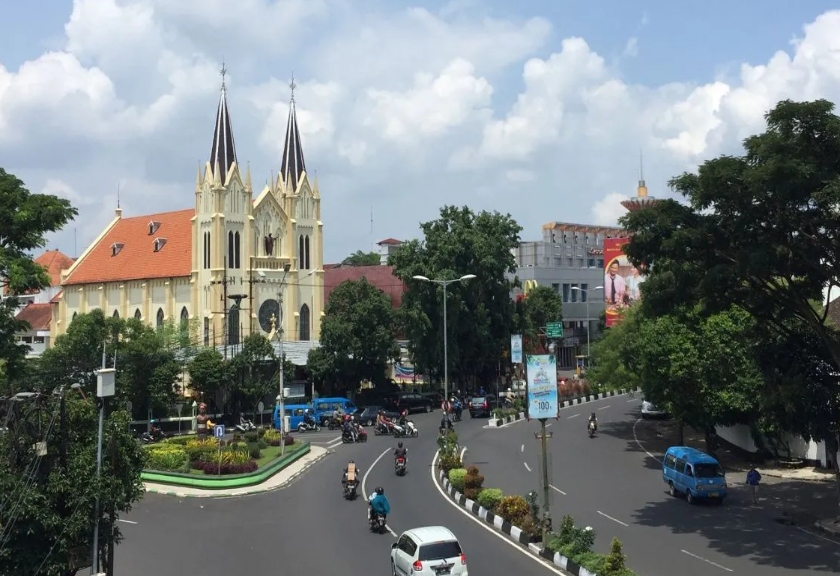
Retirement is an opportunity to enjoy life at a more relaxed pace. After years of following work routines, people gain more time to gather with family, pursue hobbies, and Travel to various Tourist Destinations.
Many people use this life phase to relocate to another city. Available options include cities with cool fresh air and calm surroundings, areas with relatively affordable living costs, through to coastal regions with laid-back atmospheres.
Indonesia has numerous cities with distinct characteristics suitable for retirement. For example, Bandung and Yogyakarta offer well-established complete urban facilities, while Salatiga and Magelang appeal specifically to those seeking quieter living environments.
READ ALSO
Travel in Old Age: 7 Cities in Indonesia That Are Suitable for Enjoying Your Retirement Period
Christmas and New Year (Nataru) Holiday Stimulus: There are discounts available for airplane, train, and sea ferry tickets.
KAI Heritage Week 2026 invites tourists to trace the early historical footprints of Indonesia's railways.
A 2025 study on Elderly quality of life across 98 Indonesian cities published in the Frontiers in Public Health journal also highlighted the critical importance of healthcare facilities, transport networks, public spaces, security, and local economic activity for senior wellbeing.
However, choosing a retirement city should never be based solely on scenic views or pleasant atmosphere. Multiple long-term practical needs must be accounted for to maintain stable, comfortable living once you are no longer receiving work income.
Below are six key factors to evaluate before selecting a city for your retirement period.
1. Align Cost of Living With Your Financial Situation
Cost of living is one of the primary considerations before relocating. It is vital to remember that most people will no longer receive regular salaried income during retirement.
For this reason, calculate all monthly requirements carefully. This will include housing costs, groceries, transport, recurring utility bills, and personal daily expenses.
Do not be swayed only by a city's pleasant vibe or cheap local food. Always also account for long-term housing costs and ongoing daily necessities over time.
Choosing a city with living costs that match your confirmed financial capacity will allow retirees to live without constant stress from excessive expenses.
2. Ensure Easily Accessible Healthcare Facilities
Access to Healthcare Services is a make-or-break factor when selecting a retirement residence. As people age, the need for regular medical monitoring and emergency care becomes increasingly critical.
Confirm that your chosen city has easily reachable hospitals, clinics, pharmacies, and registered specialist doctors. Also measure travel distance from your prospective home to these facilities, especially for emergency response scenarios.
Healthcare suitability cannot be judged only by the number of facilities. Ease of travel to these locations, and whether available services match your specific health requirements also deserve careful evaluation.
With reliable, accessible healthcare, retirees can go about daily life with genuine peace of mind.
3. Select a Comfortable Residential Environment
Your immediate local environment directly impacts daily quality of life. Areas with low noise levels, good Air Quality, and safe neighbourhoods enable a far more relaxed Lifestyle.
Public green open spaces are also a major asset. Parks and pedestrian areas provide space for walking, light exercise, or simply spending time outdoors comfortably.
Before finalising any choice, research the specific neighbourhood characteristics of every prospective residence. Even cities known for being quiet will have neighbourhoods with very different conditions.
For this reason, your exact housing location must be selected carefully to match your daily needs and living habits.
4. Prioritise Convenient Transportation Access
Mobility remains an essential part of life after retirement. Easy travel to markets, hospitals, shopping centres, and other public facilities allows people to maintain independent daily routines.
Pay attention to the availability of Public Transport, road conditions, and travel distance to essential locations. This is particularly important for retirees who do not wish to be completely dependent on private vehicles.
Cities with practical, well-functioning transport access give you the freedom to carry out activities without dealing with unnecessarily complicated or stressful travel.
5. Factor In Proximity To Family
The desire to retire in a new city must be balanced with existing family connections. Travel distance to your children or other close family members should be a formal part of your considerations.
Living nearby makes regular family gatherings easier, and also provides practical support networks when help is needed during illness or difficult circumstances.
For many retirees, living close to family also provides irreplaceable emotional comfort. Any relocation decision should therefore balance personal preferences with relationships with your loved ones.
6. Look For Cities With Social And Recreational Activities
Retirement is not a reason to stop staying active. Maintaining regular routines actually makes this life phase far more enjoyable, meaningful and mentally healthy.
Choose a city that has public gathering spaces, community groups, places of worship, and organised social or recreational activities. These facilities create opportunities to meet new people, maintain social connections, and pursue personal interests.
Simple regular activities such as casual walks, joining hobby groups, gardening, or visiting local attractions can form the foundation of a satisfying new daily routine.
An active social environment also helps retirees stay connected and integrated with the surrounding community.
The Best Retirement City Depends On Your Individual Needs
Choosing a retirement location does not always mean picking the most scenic Tourist Destination or the cheapest possible place to live. Long term comfort depends entirely on How well a city matches your personal specific requirements.
Cost of living, healthcare access, local environment, transport, family proximity, and social activities all need to be evaluated together as a complete set of requirements.
With careful forward planning, retirement can become an opportunity to build a new life that is comfortable, active, and sustainable within your financial means.









Belum ada komentar. Jadilah yang pertama!