
Gen Z Travel Trends Are Shifting, Indonesian Destinations Are Required to Deliver Memorable Experiences
Monday, 28 September 2026 | 18:00
Author: Respaty Gilang

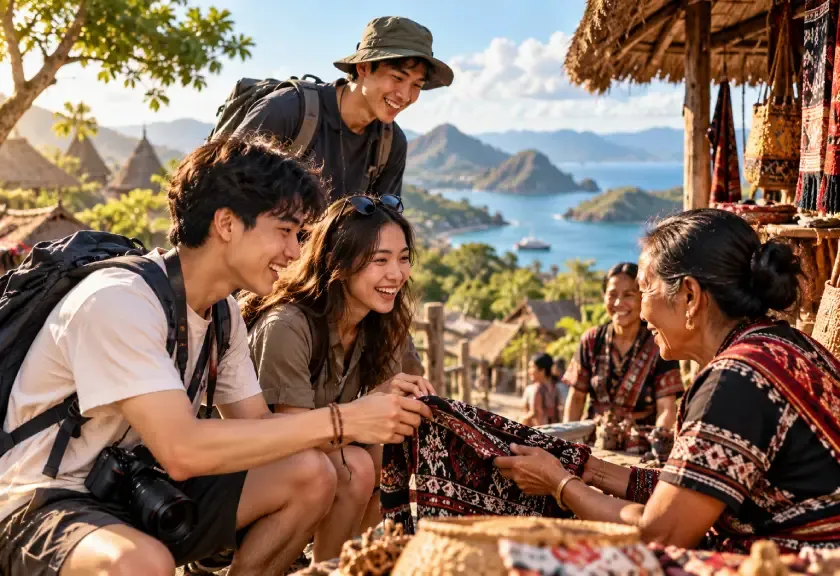
For young travellers, going on holiday is no longer just about visiting popular spots, taking photos, and returning home with souvenirs. There is a growing, strong desire to truly experience a destination, understand its story, interact with local communities, and bring home meaningful memories from the trip.
This shift in behaviour is reflected in the rising interest among millennial and Gen Z travellers towards experience-based travel, or Experiential Tourism.
Ni Made Ayu Marthini, Deputy for Marketing at the Ministry of Tourism, stated that young travellers now place greater priority on the personal meaning they gain from every trip they take.
READ ALSO
Aesthetic Tourism Becomes Trend, Bekasi Catches Gen Z Travelers' Eyes
New Trend of Chinese Tourists to Bali: Young, Digital, and Solo Travel
Gen Z's Top 10 Favorite Cities for Short Getaways, No. 4 is Indonesia's Neighbor
“Especially for Gen Z, they are searching for purpose. Every Travel Experience has to hold meaning. This mindset has transformed what people want to get out of travelling,” explained Made.
Young travellers want to participate, not just observe. This shift has changed how people engage with travel destinations. A tourist attraction is no longer sufficient just for having beautiful scenery; it must also offer activities that allow visitors to take part directly.
Made uses mountain hiking as an example. For many young travellers, the journey up the trail is now a core part of the experience, rather than just a means to reach the summit.
Along the hiking route, travellers can be engaged through local attractions, community stories, natural surroundings, and interactions with nearby residents.
This trend creates opportunities for destinations across Indonesia to develop more personal, interactive travel products.
Indonesia already has enormous foundational potential for this concept. Its natural wealth, cultural traditions, cuisine, arts, crafts, and local community life can all be curated into experiences that turn travellers from passive onlookers into active participants.
The challenge lies in converting this existing potential into tangible, immersive travel activities.
Experiential Tourism Unites Nature, Culture and People
The experiential tourism framework is one of the approaches being promoted to improve Indonesia's Tourism Quality.
When developed properly, immersive travel experiences do not revolve around a single attraction. Three core elements underpin this concept: respect for local culture, stewardship of nature, and human connection.
This means travellers are not just brought to view landscapes or visit historical buildings. They are also guided to understand the stories behind these places, meet the people who preserve local traditions, and take part first-hand in everyday community activities.
This approach also makes travel feel far more authentic, as visitors form direct, personal connections with the destination they are visiting.
From Cuisine to Traditional Textiles: A Growing Range of Immersive Experiences
Since last year, the Ministry of Tourism has begun developing experiential travel across three core sectors: gastronomy, wellness, and marine tourism.
This year, the scope has been expanded to include traditional textile heritage, as well as arts and cultural travel.
Traditional textiles hold particularly strong potential as an immersive travel offering. Across every region of Indonesia, there are distinct traditional fabrics, each with unique production techniques, patterns, philosophies and origin stories.
Pekalongan is one such example. This city has been part of the UNESCO Creative Cities Network under the Crafts and Folk Art category since 1 December 2014.
This potential can be developed further through participatory activities. Rather than only purchasing finished textiles, travellers can learn about the production process, try out traditional crafting techniques, meet the artisans, and understand the meaning behind the patterns used.
In this way, traditional fabric stops being just a souvenir, and becomes a personal part of someone's travel story.
Walking Tours: A New Way to Understand a City
Walking tours are regarded as one particularly effective method to combine all these different immersive elements.
This format allows travellers to explore an area on foot, while learning about local history, food, architecture, art, culture and the daily life of surrounding communities.
For destinations, walking tours also unlock potential in areas that may previously have been overlooked by tourists.
“Walking tours are excellent, and they are a fast growing trend right now. We can combine arts and culture, textile heritage experiences, coastal tourism, all through walking routes. This makes travel in Indonesia incredibly engaging. Travellers today are looking for experiences that are creative, unique, and stand out – that is exactly what this delivers,” stated Made.
This concept can also help reduce overcrowding at overvisited tourist destinations. When a trip is designed with multiple experience points, travellers can be guided to explore a much wider geographic area.
Put simply, the rise of experiential tourism is not just about creating new activities. It can also form a core part of strategies to distribute visitor numbers more evenly across destinations.
Turning Local Potential Into Stories That Can Be Lived
According to Fadli Fahmi Ali, CEO of Werkudara Group, Indonesia's natural and cultural wealth already provides an incredibly strong foundation. However, these assets require careful curation before they can be translated into valuable, meaningful travel experiences.
The first step is research. Destination managers must properly document the stories, figures, traditions, history and meaning attached to every local asset.
Once this information is gathered, it can then be translated into activities that allow travellers to live these stories first-hand.
“Value is built in layers. We have to design these different layers to unlock the worth of every asset: the physical location, the people connected to it, the traditions that surround it, and every other element,” explained Fadli.
This approach proves that immersive travel experiences do not require building new tourist attractions. Even well established destinations can gain fresh appeal when their underlying stories and activities are packaged in creative new ways.
The Future of Travel: Chasing Stories, Not Just Locations
This shift in how young travellers behave creates enormous opportunity for Indonesian Destinations. The natural and Cultural Heritage that stretches from Sabang to Merauke can be woven into far deeper, more meaningful travel journeys.
For travellers, these experiences stay with them long after they leave a destination. Memories of meeting local artisans, tasting homegrown local food, walking through Historic Districts, learning traditional textile craft, or understanding local community traditions become permanent parts of their travel story.
For destinations in turn, the more varied and immersive the experiences offered, the higher the likelihood that travellers will stay longer, explore more of the area, and form a genuine connection with local life.
Ultimately, the rise of experiential tourism reveals one clear shift in global travel behaviour: more and more, travellers are not searching for new places to visit. They are searching for new ways to feel the places they go.










Belum ada komentar. Jadilah yang pertama!