
History and Stories Behind the Flavour: Exploring Indonesian Gastronomy
Monday, 5 October 2026 | 07:00
Author: Rojes Saragih

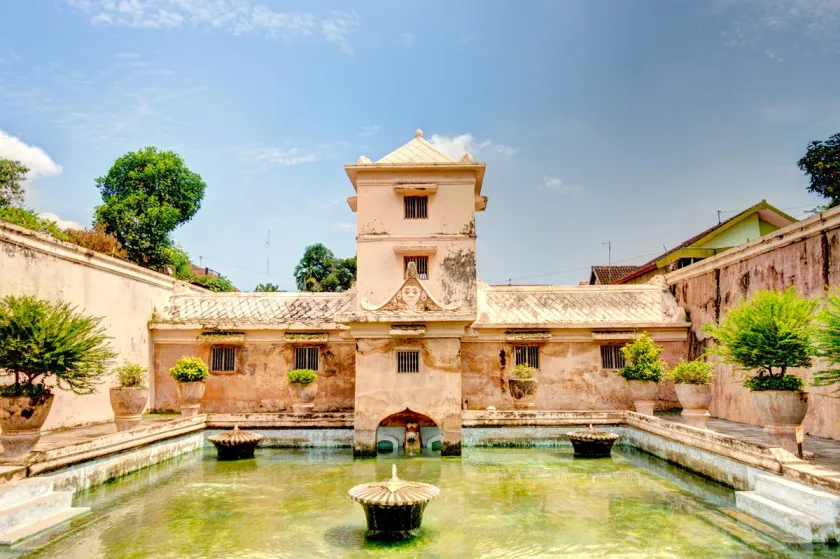
Why do traditional dishes from Yogyakarta tend to carry a sweet flavor?
The answer leads us back to the history of sugar and daily life within the Yogyakarta Royal Palace.
During the reign of Sultan Hamengkubuwono VII, there were around 19 sugar mills operating across Yogyakarta. At that time, sugar was not merely a cooking ingredient—it also served as a symbol of social status and wealth within the royal court environment.
READ ALSO
Chef Expo 2026 to Promote Indonesian Flavors to the World
Indonesia's Gastronomy Diplomacy Greets Three-Michelin-Starred Restaurants in Germany
The presence of world-class restaurants in Ubud enriches the range of premium culinary tourism options available for visitors.
This influence eventually seeped into everyday dining. Most food and beverages served during this era were prepared with prominent sweet flavor profiles.
Stories like this turn the act of eating into something far greater than just satisfying one's taste buds.
A single dish can act as a doorway to understand the history, culture, social customs, and even the core identity of an entire region.
According to Gusti Kanjeng Ratu (GKR) Bendara, Head of the Yogyakarta Regional Tourism Promotion Board (BPPD), this historical background should be curated as an integrated part of the gastronomic tourism experience.
“Every gastronomic tourism product in Yogyakarta must have a story behind it,” stated GKR Bendara in an official release from the Ministry of Tourism, dated 04/10/2026.
When Food Becomes A Narrative
Gastronomy tourism is never just about searching for good food.
It offers the chance to learn where a dish originated, why it is prepared in a specific way, what ingredients are used, and how that food became woven into the daily life of local communities.
Yogyakarta holds several fascinating examples of this.
Among the now increasingly rare local specialties are nasi golong gilig and dawet sambal.
The latter dish may sound very unusual to visitors who have never encountered it before.
Dawet is universally associated with sweet, refreshing flavors. However, Yogyakarta has a variation that is instead combined with pecel chili sauce and tofu.
This combination usually leaves people confused and curious before their first bite.
How could sweet dawet ever be paired with spicy chili sauce?
It is precisely this sense of curiosity that forms an integral part of the gastronomic experience.
GKR Bendara explained that dawet sambal is exactly this combination of sweet dawet, pecel sambal, and tofu. She emphasized that such unique specialties should be introduced alongside their full background stories, rather than only being presented as a strange novelty dish.
The History Hidden In Every Plate Of Rendang
Similar narratives can be found across every region of Indonesia.
Rendang for example, is widely recognized as one of Indonesia's most iconic culinary dishes. Yet for visitors, the experience of eating it becomes far more meaningful once they understand the cultural values and philosophy embedded within this dish.
Mayor of Bukittinggi Ramlan Nurmatias stated that this inherent strength of gastronomy must be continuously documented and passed down through generations.
He noted that gastronomy is never only about food—it can also be integrated with urban heritage, historical district revitalization, and cultural narratives to deliver added value for tourists.
With this approach, Traditional Food does not remain merely a culinary product.
It becomes part of the journey of getting to know a place.
For example, tourists visiting West Sumatra do not just leave with the memory of eating good rendang. They will also carry with them the story of the community and culture that has preserved this dish through centuries.
Food And Memory
There is another factor that makes Indonesian cuisine so compelling: food holds an extraordinarily strong connection to human memory.
A single dish can remind someone of their grandmother's kitchen, their mother's home cooking, family gatherings, or the quiet atmosphere of their hometown.
This is why taste is never just a matter of what the tongue perceives.
Long-held personal memories surface alongside every bite of food someone has known since childhood.
Chef Fernando Sindu noted that Indonesian people generally hold very high standards for regional dishes, as most traditional meals carry deep emotional ties to early life experiences.
“Indonesians are very critical about local food because they hold memories and emotional bonds with family cooking—whether that is dishes made by their grandmother or mother,” Sindu explained.
For visitors, this dynamic offers an opportunity to experience Indonesia from an entirely different perspective.
Rather than only through natural landscapes, historic buildings, or popular tourist spots, people can come to know the country through the dining table, and the quiet stories that rest upon it.
From Cuisine To Travel Experience
The concept of gastronomic tourism has also grown sharply in importance as travel trends shift away from purely sightseeing, towards the pursuit of more authentic, meaningful experiences.
Modern travellers want to understand how a dish is made, who prepares it, what ingredients are used, and why that particular food has become an integral part of local community life.
The story of sugar in Yogyakarta, rendang in West Sumatra, or traditional dishes that exist only within specific small communities all form unique travel experiences that cannot be replicated anywhere else.
This is why proper documentation and intergenerational transmission of culinary knowledge is so critical.
A dish that fades from memory is never just a lost recipe. Alongside it, we can also lose the stories of a community, its history, its relationship with the local environment, and the very identity of a region.
This principle was one of the core topics discussed during the Wonderful Indonesia Gastronomy (WIG) Talks 2026, held in Yogyakarta on Friday 02/10/2026.
This event brought together 22 speakers from government bodies, the tourism and food industry, arts practitioners, and academics, to discuss gastronomy both as a core part of cultural identity, and as an opportunity for sustainable economic development.
At its heart, gastronomic travel offers a very simple way to come to know Indonesia:
arrive, sit down, take a bite, then listen to the story.
Because sometimes, the best way to understand a place is not to look at it from a distance—but to taste it, right off your plate.






Belum ada komentar. Jadilah yang pertama!