
Budget-Friendly Vacation to Southeast Asia: Cost-Saving Travel Tips for Indonesian Tourists
Friday, 13 November 2026 | 14:18
Author: Arif S

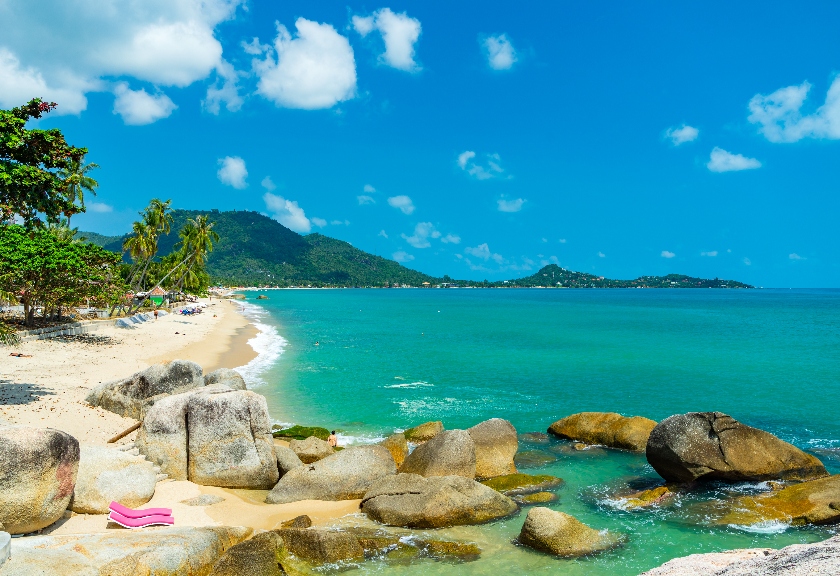
Southeast Asia remains a popular choice for Indonesian Travelers seeking Overseas Holidays without excessive spending. Relatively short flight durations, varied transport options, and simplified cross-border travel within ASEAN make this region ideal for both first-time travellers and family groups.
However, planning a Budget Holiday abroad requires careful preparation. Fluctuating airfare, accommodation costs, and on-ground expenses can easily inflate your total budget if your trip planning only relies on promotional ticket offers.
Malaysia and Thailand stand out as two practical options for Indonesian Travelers. Both countries operate direct flights from multiple cities across Indonesia. Diverse local cuisine and well-connected Public Transport networks also help keep travel costs low.
READ ALSO
Budget-Friendly Holidays in Southeast Asia: A Series of Pocket-Friendly Destinations for Indonesian Travellers
Budget Travel: Tips to Cut Vacation Costs for Trips to Malaysia and Singapore
Budget Travel: Malaysia and Singapore Can Be Suitable Short Vacation Options for Indonesian Gen Z
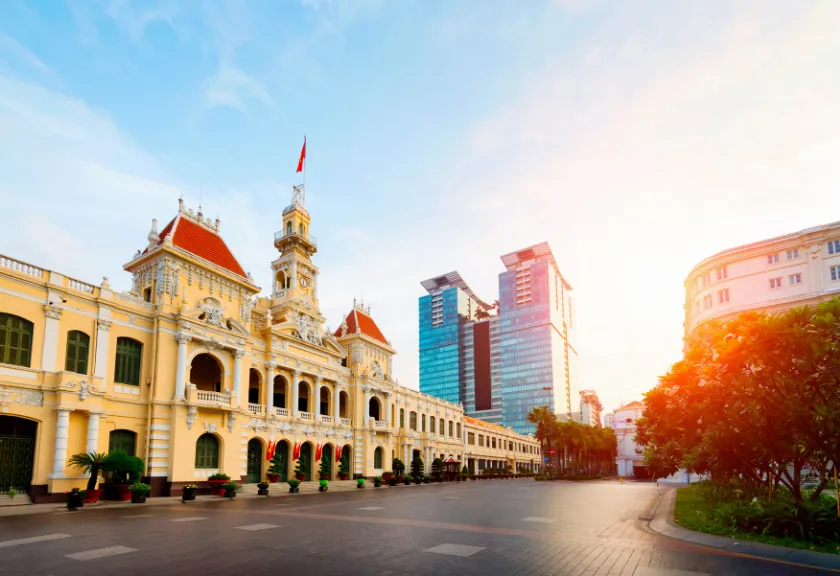
Vietnam, Laos and Cambodia are also well worth considering as alternative destinations. These three nations offer distinct travel experiences, ranging from Culinary Tourism and historical sites to quiet, relaxed town atmospheres.
Even so, the total affordability of any trip will always depend on the specific destination city, travel season, accommodation choice, and activities planned during your stay.
Three Ways To Reduce Holiday Costs
The first step is to control transport expenses well before departure. Start monitoring flight prices several months in advance, to give yourself time to compare fares and select the most economical travel schedule.
Low Cost Airlines (LCCs) can be a suitable option for short haul trips. However, passengers must take careful note of cabin baggage regulations, as weight and size limits differ between every airline.
Purchasing a cheap base ticket then paying separate fees for checked baggage, seat selection and other add-on services will often eliminate any original price advantage.
Flexible travel dates also help secure more competitive fares. It is recommended to consider flights on weekdays or outside of Long Holiday peak periods.
Always compare the final total price including all taxes and surcharges, rather than only relying on the initial advertised fare shown on search results.
As the second strategy, select accommodation based on location, not just room price. Hostels, capsule hotels and guesthouses are viable alternatives, provided they have good user reviews, adequate facilities, and convenient public transport access.
Sometimes slightly more expensive accommodation located within walking distance of MRT stations, BTS stops or bus terminals will work out cheaper overall, as you will avoid regular taxi or ride-hailing fares between locations.
When calculating accommodation costs, always verify whether the listed room price already includes tax, breakfast and service charges.
Thirdly, prioritise Public Transport and local food. Trains, city buses and ferry crossings are low cost, reliable options to reach almost all tourist areas.
Meanwhile, traditional markets, local food courts and neighbourhood restaurants allow you to enjoy authentic regional cuisine with predictable, controlled spending.
For example, visitors in Bangkok can combine MRT trains, BTS Skytrain services and river ferries to travel between all major popular attractions.
Careful route planning and accommodation placement will help keep transport expenses fully manageable.
Digital Payments For Better Budget Control
Proper money management during travel requires extra attention. Indonesian travellers can now use cross-border QRIS payment services across destinations including Thailand, Malaysia and Singapore.
With this service, users of participating domestic payment apps may scan merchant QR codes directly in the destination country. All transactions process through your home payment application, removing the need to exchange cash for every small purchase.
While convenient, cross-border QRIS is not supported by every merchant. Availability also depends on your bank or payment service provider. For this reason, carrying a small amount of local cash and a backup payment card remains a necessary precaution.
Travellers should also account for foreign exchange margins and ATM withdrawal fees. Comparing exchange rates before departure and only exchanging money at official authorised outlets will help avoid unnecessary extra charges.
Adjust Daily Budgets Per Destination
As a starting baseline for Budget Travel across most Southeast Asian cities, you may target a daily budget of IDR 500,000 to IDR 800,000 per person, excluding airfare. This is not a universal standard however, and will vary significantly by country and travel style.
Costs will differ greatly if you book private hotel rooms instead of hostel dorm beds, use ride-hailing instead of public buses, or dine regularly at full service restaurants instead of local food stalls.
Singapore for example, requires an entirely different budget calculation compared to cities traditionally known as backpacker-friendly.
For this reason, travellers should break their total budget into separate allocated categories: accommodation, food and drinks, transport, attraction entry tickets, shopping, and emergency funds.
Setting aside reserve emergency funds is critical to handle unforeseen circumstances such as flight schedule changes or sudden unexpected needs.
Ultimately, travelling on a budget does not require sacrificing all comfort or restricting yourself from enjoyable activities.
Thorough advance planning, selecting destinations matching your purchasing power, and disciplined spending management are the keys to an enjoyable, affordable trip around Southeast Asia.









Belum ada komentar. Jadilah yang pertama!