
Gen Z Tourism Trend: Indonesia's Natural Beauty Holds Great Opportunities to Attract Young People
Tuesday, 17 November 2026 | 16:00
Author: Arif S

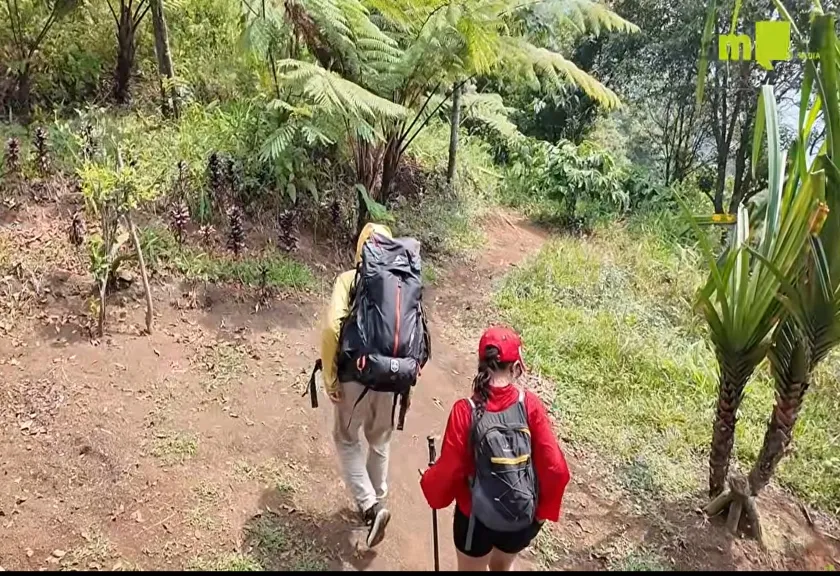
Indonesia has enormous capital to attract Generation Z (Gen Z) tourists through Nature Tourism. Mountains, beaches, waterfalls, forests, rivers, and even tourist villages offer experiences aligned with the preferences of this Younger Generation who seek adventure, peaceful atmospheres, and Outdoor Activities.
This interest is not only visible from social media trends. Multiple studies also confirm that nature travel and authentic experiences are core priorities in the travel preferences of Indonesian Gen Z.
According to the 2024 Indonesia Gen Z Report compiled by IDN Research Institute, 64 percent of respondents stated they prefer enjoying nature and outdoor activities when travelling. This figure is far higher than the only 14 percent who expressed interest in exploring major cities.
READ ALSO
Gen Z Holidays: Open-Air Nature Tourism Becomes an Alternative for Spending Weekends
Gen Z Healing Trend: Why Is Mountain Hiking Becoming Increasingly Popular Among Young People?
Gen Z Travel Trend: Ditch the Crowds, Visit Hidden Gems and Undiscovered Destinations
The same research found that 90 percent of respondents view travel as a way to heal, or escape the pressure of daily routines. When asked to describe their ideal relaxing getaway destination, 84 percent selected locations with beautiful, quiet natural scenery.
These findings show that nature tourism holds appeal far beyond simple recreational activities. Trips to natural areas also serve as an opportunity to rest, reduce stress, and gain new experiences.
Short Getaways And More Frequent Domestic Travel
The opportunity for Indonesia's nature tourism sector grows even larger as Gen Z also demonstrates strong preference for domestic travel. The Agoda Travel Outlook 2026 survey published in April 2026 found that 85 percent of Indonesian Gen Z respondents plan to take trips within the country.
The survey also revealed a trend of choosing shorter, but more frequent trips. 80 percent of respondents plan to take between 4 to over 11 trips per year, while 90 percent opt for trip durations between one and seven nights.
When selecting travel activities, 40 percent of Indonesian Gen Z respondents prioritise outdoor activities. Culinary Tourism came next at 25 percent, followed by cultural exploration at 20 percent.
This travel pattern creates opportunities for destinations that can offer varied activities for short stays. Travellers can go trekking, visit waterfalls, try local cuisine, and learn about local community life all within a single trip itinerary.
This style of travel also benefits destinations located near major urban areas. Natural areas accessible for weekend trips are highly attractive for young travellers with limited time and budget.
Mountains, Beaches And Tourist Villages As Key Attractions
Indonesia's natural wealth enables development of diverse tourism types to cater to Gen Z interests.
Mountain areas offer Hiking Experiences, trail walking, camping, and panoramic views from high elevations. Coastal and beach areas provide options such as swimming, snorkelling, diving, and sunset viewing experiences.
Meanwhile, rivers, waterfalls and forest areas can be developed for outdoor activities, while strictly maintaining safety standards and Conservation protocols.
These types of destinations do not require large-scale luxury facilities, but they do require proper management and easily accessible visitor information.
Tourist villages also hold great potential. Alongside enjoying natural surroundings, visitors can learn about local traditions, crafts, specialty foods, and daily community life.
The 2026 Jenius Study shows that 40 percent of Gen Z respondents prioritise visiting destinations they have never been to before. Additionally, 8 percent specifically take eco-friendly travel into consideration when choosing travel destinations.
Although eco-friendly travel is not yet a top priority for most respondents, this trend aligns with growing environmental awareness among younger generations.
Environmental Stewardship Is The Key Success Factor
Rising demand for nature tourism must be matched with responsible destination management. Popularity of a travel spot can bring economic benefits for local communities, but also carries risk of environmental damage if visitor numbers exceed the area's carrying capacity.
Research conducted by Expedia Group in May 2026 found that 91 percent of surveyed Gen Z travellers have considered environmental or social issues when planning their trips. 94 percent stated they are willing to choose quieter Alternative Destinations to avoid overcrowding.
These findings signal that destination managers must integrate sustainability as a core part of the visitor experience. Critical measures include visitor number regulation, waste management systems, natural habitat protection, and meaningful involvement of local communities.
Proper digital information infrastructure must also be prepared. Gen Z travellers consistently use social media and digital platforms to research destinations before travelling. Therefore, clear information regarding access, ticket prices, available facilities, trail difficulty levels, weather forecasts, and conservation rules must be readily available online.
Indonesia has an enormous opportunity to capitalise on this shift in travel preferences. With natural and cultural wealth spread across every region, tourism development does not need to focus solely on popular tourist destinations.
Sustainably managed nature tourism perfectly fits what Gen Z travellers are looking for: new experiences, short convenient getaways, and the chance to enjoy peaceful natural environments.
At the same time, this tourism growth can deliver meaningful economic benefits for local communities.




![Arsip foto - Konser realitas virtual grup K-pop BTS]](https://cdn.indonesiatravelsport.com/library/2/7/0/2/arsip-foto-konser-realitas-virtual-grup-k-pop-bts_840x576.webp)




Belum ada komentar. Jadilah yang pertama!