
Gen Z Holidays: Open-Air Nature Tourism Becomes an Alternative for Spending Weekends
Friday, 6 November 2026 | 14:30
Author: Arif S

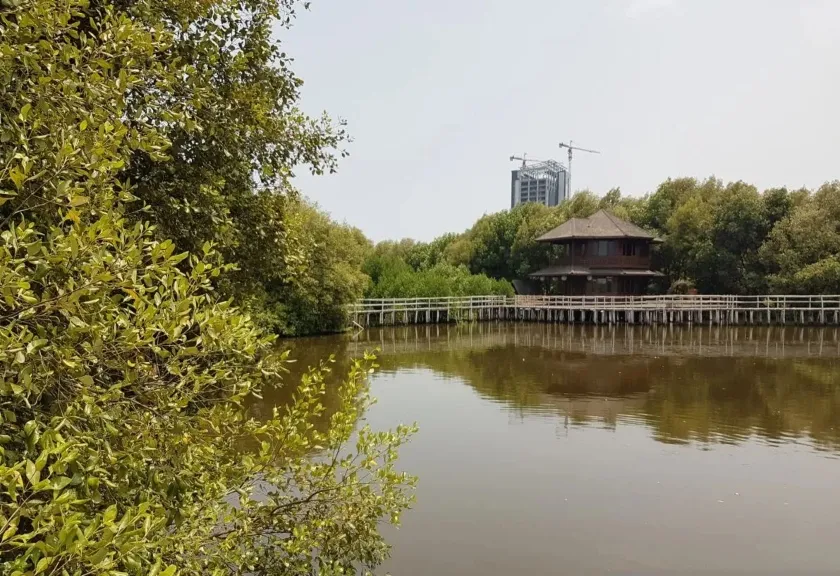
Young people's preferences for how they spend their weekends are shifting. While shopping malls and cafes were once the most popular gathering spots, open-air Nature Tourism is now increasingly capturing Gen Z's attention.
Pine forests, mangrove Conservation areas, and waterfalls have become go-to destinations to unwind after busy university classes or work routines.
Aside from offering an escape from the chaos and noise of urban life, these locations also provide outdoor nature experiences at relatively affordable costs.
READ ALSO
Gen Z Healing Trend: Why Is Mountain Hiking Becoming Increasingly Popular Among Young People?
Budget Travel: Malaysia and Singapore Can Be Suitable Short Vacation Options for Indonesian Gen Z
Gen Z Healing Trend: 5 Beginner Hiker-Friendly Mountains with Stunning Views
This shift in preference aligns with findings from the 2024 Indonesia Gen Z Report. 84% of Gen Z respondents selected quiet, scenic nature experiences as their preferred destination to recharge and rest, or what is widely referred to as 'healing'.
The survey also recorded that 90% of respondents view holidays as an opportunity to explore new locations, local cultures, and regional cuisine.
These findings show that for Gen Z, travel is not merely about moving from one place to another. Authentic experience, atmosphere, and the chance to step away from daily routine are core priorities when choosing a travel destination.
The large domestic tourism market opens up opportunities for nature destinations surrounding Jakarta, the national capital. Statistics Indonesia (BPS) recorded that Domestic Indonesian Travellers completed 938.84 million trips between January and September 2026. This figure marks a 4.10% growth compared to the same period in 2025.
August 2026 data from the Ministry of Tourism also lists West Java as one of the top destination provinces for domestic travellers, recording 18.7 million visits.
This number increased by 12.40% compared to August 2025. Over the same reporting period, DKI Jakarta recorded 9.14 million trips and Banten recorded 5.8 million trips.
Around Jakarta, this nature travel trend is visible in the rising popularity of multiple local destinations. The Pantai Indah Kapuk (PIK) Mangrove Eco-Tourism Area offers visitors the chance to explore coastal ecosystems without leaving the capital city boundaries.
Another popular option lies in the Bogor region. Mount Pancar with its mature pine forests, alongside multiple accessible waterfalls in Sentul, are favoured alternatives for young people seeking cooler fresh air and undisturbed natural surroundings.
This pattern of younger generations prioritising travel for recreational rest has also been officially documented by Statistics Indonesia.
In the publication Statistical Data Stories for Indonesia: Millennials and Gen Z in Leisure Travel Dynamics released 29 August 2025, BPS confirmed that Millennials and Gen Z made up the majority of all leisure travellers in 2023.
This publication also highlighted the significant influence that psychological wellbeing needs and social media have on modern travel decision making.
The Ministry of Tourism launched the Indonesia Tourism Outlook 2026/2027 on 28 September 2026. This report was compiled as an official reference to map industry shifts, emerging opportunities and upcoming challenges for the national tourism sector.
Minister of Tourism Widiyanti Putri Wardhana noted that global geopolitical dynamics, climate change challenges, and advances in artificial intelligence are all actively reshaping the modern tourism landscape.
For Gen Z, rest and healing does not require long distance travel or expensive accommodation. Simple activities such as trekking to a waterfall, picnicking under tree shade, or simply observing natural scenery are already sufficient ways for them to refresh their minds.
Close proximity is one of the primary reasons suburban nature tourism is growing in demand. Young people from Jakarta and surrounding satellite cities can depart in the morning, spend time outdoors, and return home the same day without needing to take formal leave from work or studies.
This phenomenon creates new economic opportunities for local communities living around these destinations. Local business operators can develop travel support services, outdoor equipment rental, local food outlets, and guided tour packages to cater to this young visitor demographic.
For this reason, destination managers must adapt site facilities to match the needs of modern travellers. Accessible digital information, seamless cashless payment systems, proper sanitation facilities, and reliable mobile network coverage all act as critical value additions.
However, all facility development must respect the environmental carrying capacity of these natural areas, so that increased visitor numbers do not cause permanent damage to local ecosystems.
As travel preferences continue to shift towards personal authentic experiences and outdoor activity, Gen Z is positioned to remain one of the main drivers of change within the Tourism Industry.
Nature destinations around the Greater Jakarta (Jabodetabek) metropolitan area hold strong growth potential, provided that site managers are able to preserve the natural environment while continuously improving the quality of the visitor experience.










Belum ada komentar. Jadilah yang pertama!