
Gen Z Healing Trend: Why Is Mountain Hiking Becoming Increasingly Popular Among Young People?
Wednesday, 4 November 2026 | 12:15
Author: Arif S

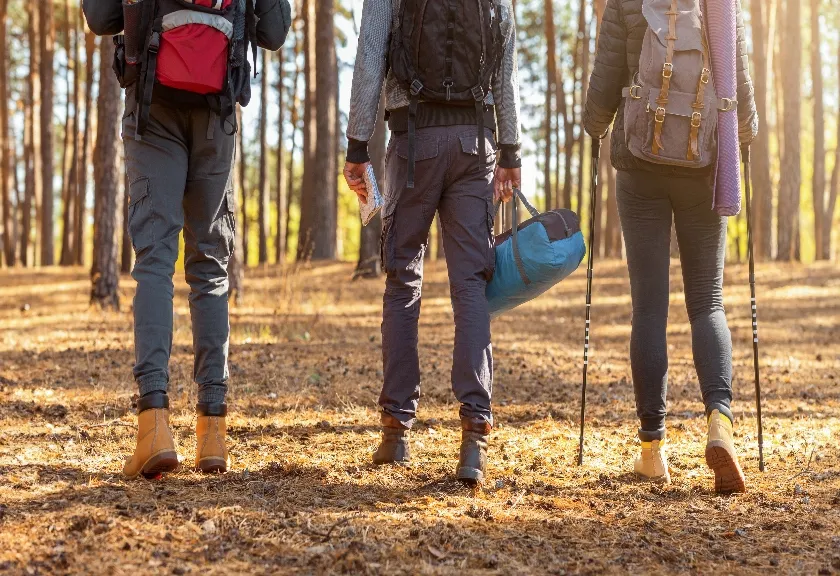
Mountains hold a far broader meaning for Young Generations. Far more than just a place to test physical endurance or chase scenic summit views, hiking has become a way for Gen Z to step away from daily routines, work pressures, and constant digital life.
Amidst daily lives spent glued to phone screens, a trip into the mountains offers a completely distinct experience. Cool mountain air, undisturbed natural surroundings, and limited communication access on most hiking trails give young people the chance to temporarily disconnect from notifications and re-engage with the physical world around them.
This trend aligns with findings from Strava's 2025 Year in Sport Trend report, published December 2025. Based on analysis of billions of logged activities on the platform and survey responses from over 30,000 participants, Strava observed a clear shift among Gen Z: moving away from passive habits such as endless social media scrolling, towards physical activity and real-world human interaction.
READ ALSO
8 Islands in Indonesia for Self Healing, from Belitung to Raja Ampat
Mount Rinjani Hiking Routes via Torean and Senaru Are Closed, Here Are Alternatives for Hikers
Mount Anak Krakatau Eruption: These are the Ministry of Tourism's Steps to Protect Tourists and Destinations
Strava records show that Young Generations are increasingly prioritising physical activity as a core, non-negotiable part of their lives – even while on Holiday.
While this report does not specifically measure hiking trends within Indonesia, its findings paint a clear picture of How Gen Z is fundamentally changing the way they spend their Free time.
They are no longer only seeking entertainment through screens, but actively pursuing first-hand outdoor experiences instead.
For many young hikers, the journey up the mountain itself becomes an opportunity to reset their mindset. Hours spent walking at a slow pace, taking in the views, and interacting with fellow hikers creates valuable quiet space for reflection amidst overwhelming daily schedules.
This shift in motivation has also led to a wider variety of accessible hiking options. Shorter duration trails with difficulty levels matched to beginner ability are now popular alternatives, allowing first-time hikers to try the activity without needing to take extended work leave or plan multi-day expeditions.
However, this booming interest in Nature Tourism is not only visible from personal hiker stories. Official data from protected area managers also confirms the surge in visitor numbers. Mount Rinjani National Park recorded 80,214 total hikers for the full 2025 calendar year, consisting of 36,978 domestic hikers and 43,236 international visitors.
This hiking activity also generates significant economic impact. The Rinjani National Park authority recorded non-tax state revenue totalling IDR 25.92 billion throughout 2025. This figure demonstrates that hiking is not merely recreational activity, but also forms part of high-value Nature Tourism economic potential that requires careful sustainable management.
At the same time, this visitor boom carries serious consequences for the environment and public safety. For 2025, Rinjani National Park logged 30,359.52 kilograms of waste generated exclusively by hiking activity. Park management also recorded dozens of emergency responses including hiker falls, sprains, lost persons, acute illness and hypothermia cases.
Compliance and discipline are also major growing concerns. During the initial rollout of the Go Rinjani Zero Waste programme in 2025, the national park authority placed 52 hikers on the official permanent blacklist for failing to pack out their waste during their trip. Per official hiking standard operating procedures, this violation carries a maximum 5-year hiking ban.
Parallel safety challenges are observed at Mount Merapi. The Indonesian Ministry of Forestry reported that approximately 60 people were apprehended during unauthorised hiking enforcement operations over the 12 month period starting April 2025.
The vast majority of these violators are aged between 15 and 25 years old, including high school and university students. Most critically, one unauthorised hiking incident in December 2025 resulted in a fatality.
The Ministry of Forestry has also identified that curiosity, desire for social validation, and fear of missing out (FOMO) are the primary drivers behind illegal hiking activity.
While sharing trip documentation on social media can be an appealing aspect of hiking, visitors must never disregard official trail closures or public safety guidance issued by the relevant authorities.
For this reason, the growing trend of using mountain trips for Mental Healing must be accompanied by a critical understanding: natural environments are not risk-free recreational spaces. Before departing, all hikers must verify active trail status, check updated weather forecasts, prepare appropriate safety gear, and honestly assess their own physical capabilities.
Ultimately, the best mountain experience is never defined solely by successfully reaching the summit or capturing a viral photograph. For Gen Z, these trips can be a genuine way to find inner peace. That peace only carries true meaning however, when it is achieved through Safe Hiking practices, conducted responsibly and without causing harm to the natural environment.








Belum ada komentar. Jadilah yang pertama!