
Year-End Holidays: Transportation Stimulus Increased to Boost Visits to Alternative Destinations
Wednesday, 11 November 2026 | 13:00
Author: Arif S

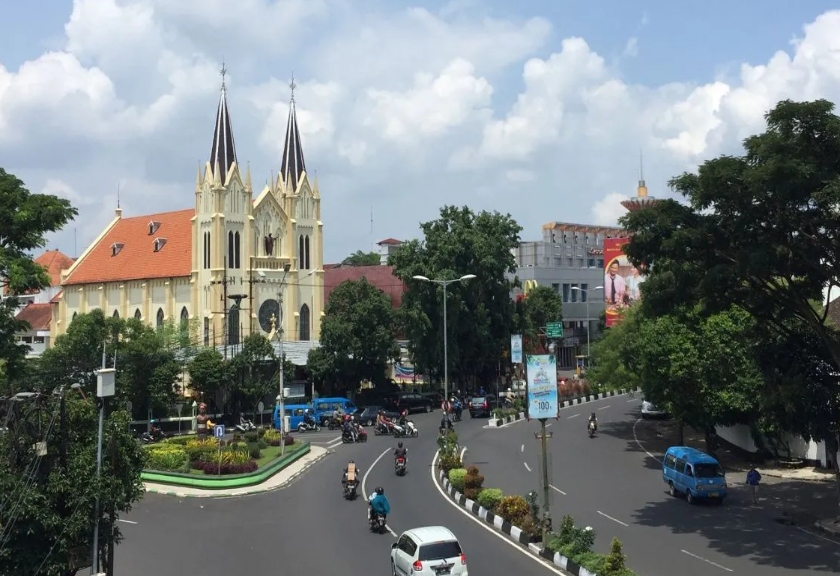
The 2026 Christmas and 2027 New Year (locally abbreviated as Nataru) holiday period carries strong potential to drive broader movement for domestic tourism. The government has prepared a Transportation Stimulus valued at IDR 883.4 billion allocated across four transport modes: air travel, railways, sea transport, and inter-island ferry crossings.
This policy is not only designed to reduce travel costs, but also unlock opportunities for regional destinations that have never previously been top tourist priorities.
Deputy Coordinating Minister for Economic Affairs Drajad Hari Wibowo confirmed that this year's Nataru stimulus budget has more than doubled compared to the prior holiday period. Government projections estimate this programme will benefit approximately 6.14 million transport users.
READ ALSO
Year-End Holidays: ASITA Reveals Favorite Destinations, Tourist Villages Serve as Alternative Options
Gen Z Travel Trends: Social Media and AI Transform How Gen Z Chooses Travel Destinations
8 Islands in Indonesia for Self Healing, from Belitung to Raja Ampat
"Last year the budget stood at IDR 387 billion. This year we have allocated IDR 883 billion for the same four transport categories. That means this Christmas and New Year travel stimulus has increased over twofold," Drajad stated during the 2026 Nataru Mobility Expo held in Jakarta.
From the total allocated budget, around IDR 722 billion is earmarked for Air Transport incentives. The remaining IDR 161.4 billion is split between railway services, sea passenger vessels and ferry crossings.
The government projects this stimulus will support an estimated 3.7 million air passengers, 1.04 million railway passengers, and 414,000 sea vessel passengers.
For ferry crossing services, the programme targets over 188,000 foot passengers and 467,000 motor vehicles.
This substantial transport support is being rolled out while domestic tourism continues to register consistent growth.
Indonesia's Central Statistics Agency (BPS) recorded that Domestic Indonesian Travellers made 938.84 million trips between January and September 2026, marking a 4.10% increase compared to the same period the previous year.
For September alone, this figure reached 96.69 million trips, recording 2.47% year-on-year growth.
These figures demonstrate the massive scale of year-end domestic travel potential. With more affordable transport costs, the public will gain greater flexibility to plan trips, extend holiday durations, or visit destinations that were not previously on their travel plans.
Not Only Bali and Yogyakarta
Rusmiati, Chairwoman of the Indonesian Travel Companies Association (ASITA), estimates that Bali, Yogyakarta, and Bandung will remain the most popular Year-End Holiday destinations.
For domestic travellers, the Puncak highland area, Bogor, Malang, along with multiple cities across Central and East Java are also expected to receive high visitor volumes.
"Meanwhile Puncak, Bogor, Malang and several cities in Central and East Java are consistently preferred choices for domestic tourists," Rusmiati noted.
However, ASITA also views this Nataru holiday period as an opportunity for travellers to explore Alternative Destinations. More varied travel options are expected to distribute visitor flows, preventing tourism and consumer spending from being concentrated solely in already overcrowded popular locations.
"We encourage the public to explore all different destinations across Indonesia that match their interests and travel circumstances," she added.
As reference: Yogyakarta offers Cultural Heritage and culinary experiences. Labuan Bajo is renowned for its wilderness and marine attractions, while Lake Toba provides a combination of dramatic natural landscapes and immersive indigenous cultural experiences.
Rural village tourism destinations also present an option for travellers wishing to experience local community life, sample regional speciality cuisine, and support authentic local craft producers.
Ministry of Tourism data for August 2026 shows West Java recorded approximately 18.71 million Domestic Tourist trips, followed by East Java with 16.44 million trips, and Central Java with 13.79 million trips.
The Special Region of Yogyakarta recorded 3.89 million trips, while Bali registered around 2.37 million trips. This data illustrates the wide distribution of tourist movement across provinces, noting that trip counts do not represent unique individual visitors.
Weather Risks And Destination Readiness Challenges
Opportunity for increased visitor numbers must be matched with proper preparedness for weather conditions. Indonesia's Meteorology, Climatology and Geophysics Agency (BMKG) forecasts that most regions of the country will enter the monsoon Rainy Season during November and December 2026.
Peak rainfall is expected between December 2026 and February 2027, meaning the entire Nataru holiday period will coincide with a period requiring extra caution for all Outdoor Activities.
Rusmiati reminded travellers to adjust their itineraries according to live weather updates and official safety guidance from destination management authorities.
Activities including trekking, marine recreation, mountain hiking and all other outdoor activities should only proceed after verifying the latest safety status.
"As the Christmas and New Year holidays fall right in the middle of rainy season for most areas, travellers should adapt their planned activities accordingly. Always confirm official safety guidance from destination operators before undertaking any outdoor activities," Rusmiati stated.
She additionally advised the public to book transport tickets, accommodation and travel packages well in advance. Travellers should verify all facilities, schedules, pricing and cancellation terms before completing any transaction. Essential supplies including rain gear, spare clothing and personal medication should also be prepared ahead of travel.
"Most importantly, remain flexible for schedule changes and always follow instructions from tour guides and local on-site authorities. We want everyone to enjoy their holidays safely and comfortably, while acting responsibly towards the environment and local communities at the destinations they visit," she concluded.
Ultimately, the transportation stimulus is only one driver of travel. Full economic benefit will only be realised if tourists do not simply pass through destinations, but also stay overnight, patronise local food businesses, use local guide services, and purchase goods from local small enterprises and craft artisans.








Belum ada komentar. Jadilah yang pertama!