
Don't Pick Your Airplane Seat Randomly. This Is How Flight Attendants Make Sleeping On A Plane Far More Comfortable.

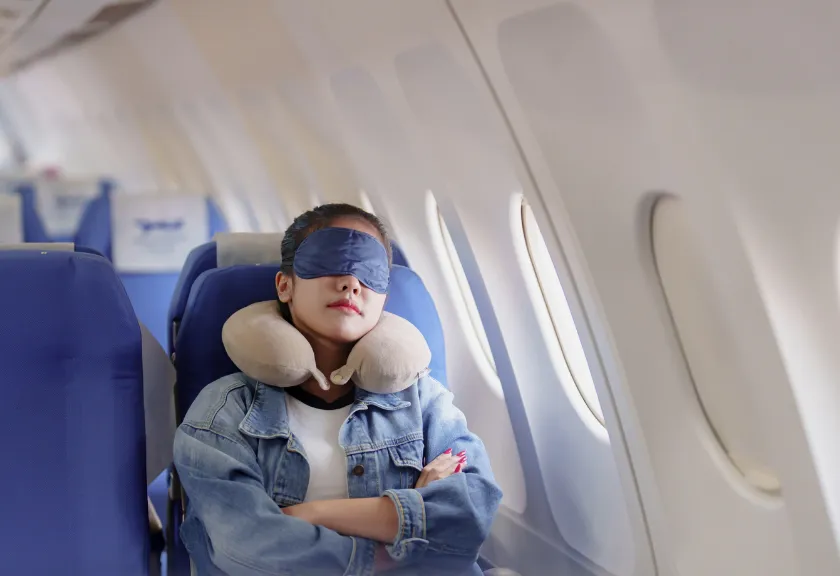
Sleeping during a flight might sound simple. Just close your eyes, rest your head, and wait until the plane arrives at your destination. But for many travelers, the reality is far from that easy.
Engine noise, cabin lighting, limited seating positions, passengers moving about, and time zone differences can make resting on an aircraft anything but comfortable.
Yet being able to sleep during air travel makes an enormous difference, especially for long-haul journeys. Travelers who arrive feeling rested will be ready to explore their destination immediately, instead of wasting their entire first day recovering energy.
READ ALSO
Flight Attendant Reveals Why Passengers Are Advised Not To Wear Shorts On Airplanes
Virgin Atlantic Flight Attendant Reveals Best Airplane Seat Tips
Note This! Essential Checklist for Frequent Business Travelers
Interestingly, flight attendants who spend most of their working lives in the air have developed their own set of strategies to get proper, quality rest during flights.
Katie Storck, a Southwest Airlines flight attendant with over 10 years of experience, has shared habits that help passengers sleep better mid-flight. These tips are based on her personal on-the-job experience, as cited by Southern Living.
Start With The Right Clothing
One often overlooked travel detail that directly impacts how easily you can sleep is what you wear.
Storck advises travelers to dress in layers while on board. This lets you adjust your clothing to match cabin temperature fluctuations, so you never end up feeling uncomfortably hot or cold.
For anyone taking a long flight, prioritizing comfortable clothing over appearance is always the right call. Loose-fitting pants, soft breathable fabrics, and extra lightweight layers will help your body relax far easier.
Don't Just Rely On A Neck Pillow
Beyond clothing, the small items you bring into the cabin will also make or break your sleep quality.
Andrea Davis, a Delta Air Lines flight attendant based in Atlanta, Georgia, swears by weighted eye masks to block out light while resting.
"The weighted beads inside these masks help you fall asleep faster, which is especially helpful when adjusting to a new time zone mid-travel," she explained.
For travelers crossing international borders or taking red-eye flights, a good eye mask is an extremely useful travel item. It blocks out screen glow, cabin lights, and movement from other passengers to create a consistent sleeping environment.
You Also Need To Block Out Sound
Creating a quiet environment inside an airplane is never easy. That is why managing noise disturbances is just as critical.
Earplugs, earbuds, headphones, or earmuffs can all be used to muffle surrounding sounds. Many travelers even play soft, low-volume music over their headphones to tune out cabin noise entirely.
If using an electronic device, avoid stimulating content. Slow calm music or familiar neutral audio works far better than shows or stories that will keep you engaged and wanting to follow along.
Plan Your Sleep Schedule, Don't Just Close Your Eyes
On international flights, sleeping well is about more than just physical comfort. Your sleep timing directly affects how well your body adjusts to the new time zone at your destination.
To reduce jet lag effects, you can start aligning your sleep schedule with local time at your destination before you even arrive. On some flights, holding off on sleeping immediately after boarding will help you match your rest pattern to the local schedule once you land.
Once the right window arrives, use that time to sleep strategically.
"Some travelers use melatonin supplements or calming herbal teas to help relax. However, you should always avoid alcohol and caffeine - both will severely disrupt your rest," Storck noted.
Travelers should also be careful about drinking coffee before their flight. This drink that normally keeps you alert will only become an obstacle once your body is ready to rest.
Window Seats Have Unique Advantages
Your seat choice also has a huge impact on how easily you will be able to fall asleep on board.
For anyone planning to sleep during their flight, window seats are ideal: you can lean against the aircraft wall, and you will not be woken up every time a seatmate needs to get up for the restroom.
Of course, aisle seats give you easy access to move around without disturbing other passengers. The best choice always comes down to what you prioritize most for your trip.
If sleeping well is your main goal, a window seat is absolutely worth choosing.
"Proper neck support when sleeping upright is the key to getting the actual rest you need," Storck added.
Neck pillows can be a helpful addition, especially for flights over a few hours long. Just be sure to choose one that properly supports your head and neck, not one that only looks comfortable.
There is one simple trick to avoid being woken up by flight attendants: pay attention to how you wear your seatbelt.
Storck recommends always keeping your seatbelt fastened and visible on top of any blanket. This way, crew can confirm you are wearing it correctly at a glance, and will not need to wake you up to check.
This is also an important reminder that seatbelts remain safe and necessary even when the seatbelt sign is turned off.
Create Your Own Bedtime Routine
Another very effective trick is to bring your normal home bedtime routine with you onto the plane.
Whatever you normally do before sleeping at home - whether that is wearing an eye mask, listening to a podcast, or having a certain quiet drink - repeat that same routine before trying to sleep on the flight.
Your body will recognize this familiar pattern, and will switch into rest mode much easier.
"Making yourself feel as comfortable as possible is what will help you relax and fall into deep, proper sleep," said Storck.
At the end of the day, sleeping on a plane is never just about closing your eyes. Your clothes, seat choice, light, noise, sleep timing, and even your pre-sleep habits all work together to shape your rest experience during the flight.
For anyone preparing for a long haul flight, packing your sleep essentials before you leave home is a tiny investment that will make your entire journey feel dramatically more comfortable.
And when the plane finally touches down? That saved energy can go straight to the best part of traveling: exploring your brand new destination.










Belum ada komentar. Jadilah yang pertama!