
Labuan Bajo is Not Only About Komodo: Ministry of Tourism Encourages Development of New Tourist Attractions
Saturday, 29 August 2026 | 17:00
Author: Arif S

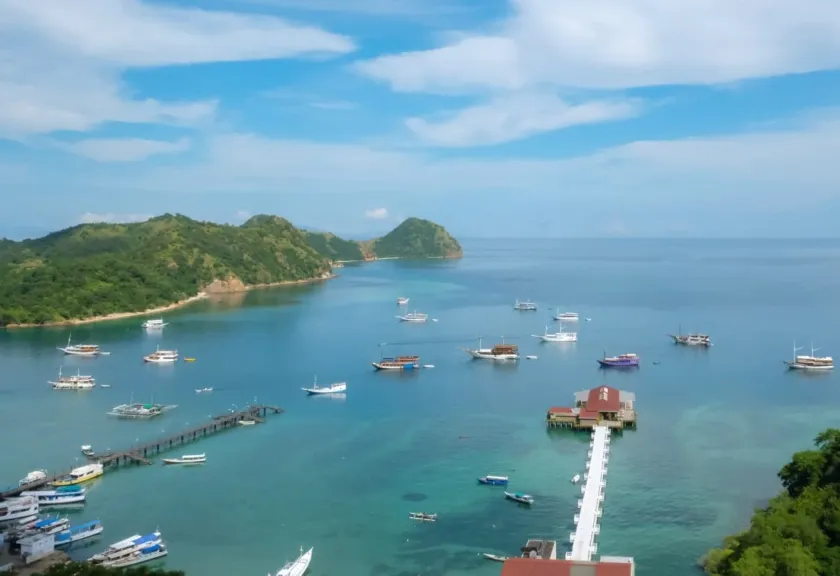
The Ministry of Tourism (Kemenpar) is pushing for development of more tourist destinations and attractions in Labuan Bajo, East Nusa Tenggara, beyond the Komodo National Park area. This initiative aims to enrich tourist experiences while expanding the economic benefits of tourism for local communities.
Tourism Minister Widiyanti Putri Wardhana held a meeting with the West Manggarai Regency Government, industry operators, and multiple tourism associations in Labuan Bajo.
The discussion covered not only tourism sector recovery following the 15 August 2026 earthquake, but also the medium and long-term development roadmap for Labuan Bajo.
READ ALSO
Labuan Bajo Tourism Activities Post-Earthquake: Tourist Visits Remain Relatively Stable
Labuan Bajo's Challenge: Preserving Komodo Habitat Amid Tourist Surge
Case of Turtle Killing and Fish Shooting in Raja Ampat, Perpetrators Are Undergoing Legal Proceedings
One core priority is increasing the number of Tourist Attractions (DTW) to provide visitors with more alternatives outside Komodo National Park.
Labuan Bajo Requires More Diverse Tourism Options
According to Widiyanti, developing inland tourist destinations forms a critical part of the strategy to strengthen Labuan Bajo's Tourism Ecosystem.
This destination diversification is designed to encourage tourists to visit multiple locations rather than remaining confined to one area, which will directly increase visitor length of stay.
"Labuan Bajo holds enormous potential, both in its marine and inland territories. Moving forward, we will continuously strengthen our tourism products and visitor experiences. This will spread tourist movement across more locations, extend length of stay, and ensure the economic benefits of tourism reach wider parts of the community," stated Minister Widiyanti.
Among the sites identified for upgrading and proper planning are Kukusan Island, Kelor Island and Rangko Cave. These three locations represent underdeveloped potential that can be rolled out to expand tourist options during their stay in West Manggarai.
Tourism Operations Post-Earthquake
Alongside these long-term development plans, the West Manggarai Regency Government confirmed that tourism activities in Labuan Bajo remain operational following the 15 August 2026 earthquake.
West Manggarai Regent Edistasius Endi stated that local authorities alongside all relevant stakeholders are maintaining continuous monitoring and ensuring all tourism activities place safety as the highest priority.
"Visitor arrival numbers remain relatively unchanged compared to pre-earthquake levels. Both domestic and international flight operations are also stable. The local government is working to deliver clear, timely information to residents and tourists, including close coordination with the Port Authority for maritime navigation safety," Edistasius explained.
This stable operating environment allows authorities and industry operators not only to carry out recovery work, but also prepare long-term tourism development strategies for when conditions fully normalise.
New Attractions To Extend Visitor Length Of Stay
Edistasius noted that developing new destinations will give tourists clear reasons to extend their trip in Labuan Bajo.
Until now, Labuan Bajo has been widely recognised primarily as the gateway to Komodo National Park. However, West Manggarai and the wider Flores island hold far greater Tourism Potential beyond just wildlife and marine attractions.
Developing inland destinations will create more varied travel itineraries, allowing visitors to combine marine tourism with nature experiences, cultural immersion, and authentic local activities.
Extended visitor stays will also increase spending across the local economy, benefiting hotels, restaurants, transport providers, tour guides, small and medium enterprises, as well as residents living around tourist sites.
Destination Development Through Cross-Party Collaboration
The Labuan Bajo destination development plan is not the sole responsibility of the Ministry of Tourism. Central government, regional authorities, industry associations and private sector operators must coordinate closely, to ensure every location is developed aligned with its unique potential and community needs.
Widiyanti confirmed that all feedback received during the meeting will be used by the Ministry of Tourism as the basis for follow-up actions, coordinated with other relevant ministries and agencies according to their respective mandates.
This collaborative approach is required, as successful destination development relies on far more than just constructing physical facilities. Accessibility, service quality, security standards, promotion outreach, and meaningful community inclusion all determine a destination's long term competitiveness.
These new destination developments are being implemented within a broader framework: building a more resilient tourism system for Labuan Bajo.
"Labuan Bajo will recover. But at the same time, we are building it to become more resilient, better prepared to face any future risks. We will grow tourism here with ever stronger safety standards, and ensure ever wider economic benefits are shared fairly with all members of the community," concluded the Tourism Minister.








Belum ada komentar. Jadilah yang pertama!