
4 Indonesian Creative Cities Recognized by UNESCO, Wonderful to Explore by Train.
Tuesday, 13 October 2026 | 15:20
Author: Arif S

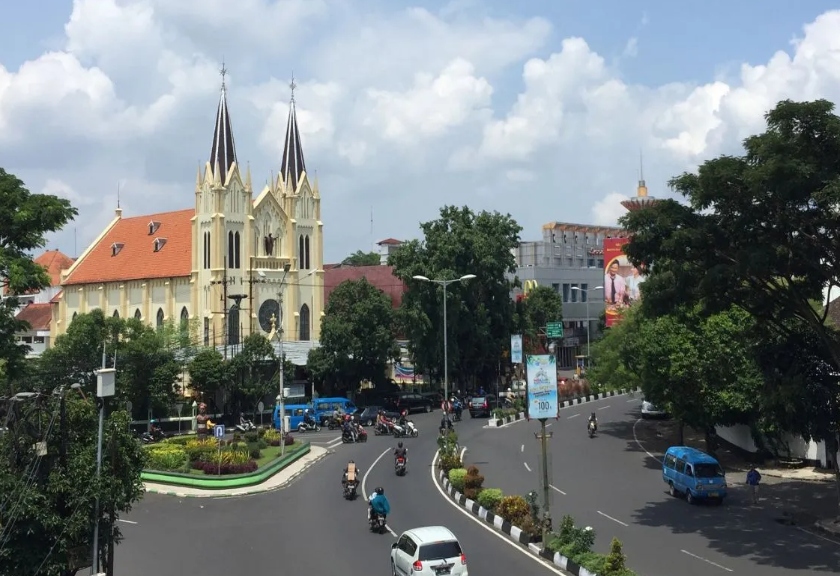
Indonesia is home to numerous cities with strong cultural identities and thriving creative sectors. Bandung, Pekalongan, Solo, and Malang are all part of the UNESCO Creative Cities Network, a global network that elevates Cultural Heritage and creativity as core pillars of urban development.
Bandung is renowned for its design industry and broader Creative Economy, Pekalongan is deeply rooted in batik craft tradition, Solo thrives on traditional performing arts, while Malang has established itself as a hub for digital media and technology innovation.
This regional appeal runs parallel to growing public mobility. PT Kereta Api Indonesia (Persero) recorded 7,855,198 passenger boarding and alighting transactions for both long-distance and local train services across Bandung, Pekalongan, Solo Balapan, and Malang stations between January and September 2026.
READ ALSO
Bandung Beautifies 17 Iconic Streets, Transforming City Into Open-Air Tourism Gallery
Vibrant West Java Events Lineup for September 2026, Featuring Programmes Ranging from Bandung X Beauty up to World Coconut Day.
Husein Sastranegara Airport Connectivity Has Improved, Bandung's Tourism Sector and MSMEs Need to Prepare.
This figure represents an 8.85% increase compared to the same period in 2025, when 7,216,612 total transactions were logged.
This growth reflects high levels of population movement to these four distinct cities. Travel to these locations is not limited to leisure trips: it also covers work commutes, education, trade, cultural events, and all other forms of daily activity.
KAI Vice President of Corporate Communication Anne Purba stated that travel patterns to these four cities mirror the diverse needs of the public.
"Bandung, Pekalongan, Solo and Malang each have their own unique urban character. Year-round travel demand to these cities is driven by creative events, education, Business activity, cultural heritage and tourism. Rail transport has become one of the preferred travel options to access all these different activities," Anne explained.
Bandung: City of Design with Thriving Creative Activity
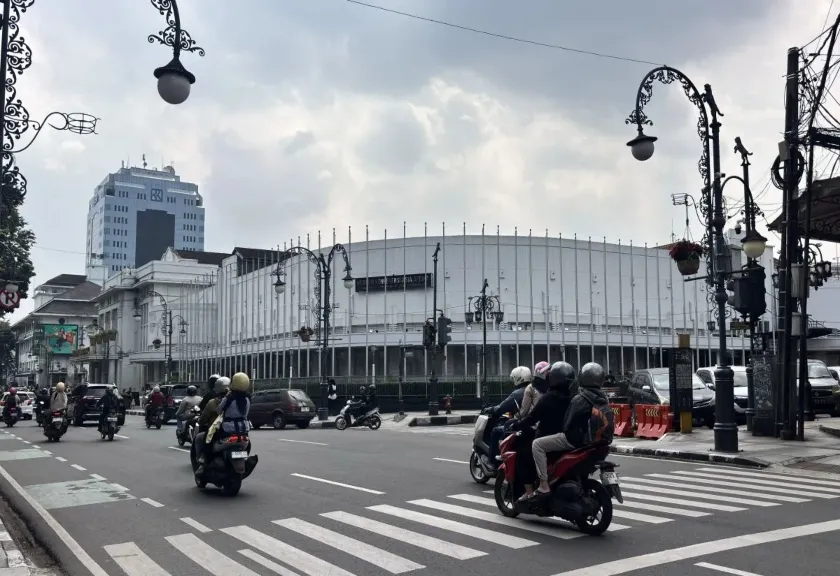
Source: Antara/Rubby Jovan
Bandung was inducted into the UNESCO Creative Cities Network for Design in 2015. The city hosts a mature creative ecosystem spanning graphic design, fashion, architecture, creative product development, and digital media.
For visitors, Bandung offers far more than just cool mountain air and local cuisine. This city also serves as a destination to explore creative spaces, appreciate heritage architecture, attend art exhibitions, concerts and industry conferences.
Between January and September 2026, Bandung Station recorded 2,606,290 passenger transactions for long distance and local train services. This marked a 12.26% increase from the 2,321,687 transactions logged in the same period the previous year.
Travel access to the Bandung region is further supported by the Whoosh High Speed Rail service. Over the first nine months of 2026, Whoosh served 4,576,841 passengers, representing a 1.16% growth compared to 4,524,311 passengers in the equivalent 2025 period.
The highest monthly passenger volume was recorded in July at 578,562 riders, followed by August with 560,772 passengers. This data demonstrates the multiple rail transport options available for travel to the Bandung area.
"Travel patterns to Bandung are extremely varied. People travel here for work, university, running businesses, tourism, attending concerts, exhibitions, conferences and all kinds of creative events. Each of these needs produces different travel behaviour," Anne stated.
Pekalongan: Exploring Indonesia's Batik Capital
Pekalongan joined the UNESCO Creative Cities Network for Crafts and Folk Art in 2014. In this city, batik is not merely a craft product: it forms an integral part of local cultural identity and the community's economic livelihood.
Visitors to Pekalongan can learn first-hand about traditional batik making processes, regional pattern designs, and the specialised skills of local artisans. Travelling here also offers a window into how living cultural traditions adapt and persist through modern societal changes.
Pekalongan Station recorded 1,050,509 passenger transactions between January and September 2026. This figure grew 3.72% compared to 1,012,784 transactions registered in the same period the year prior.
This growth demonstrates sustained mobility to this coastal city on the northern coast of Central Java. Beyond work and family visits, travel to Pekalongan is also increasingly undertaken to experience one of Indonesia's most important historical batik production centres.
Solo: The City Preserving Traditional Arts and Heritage
Solo was admitted to the UNESCO Creative Cities Network for Crafts and Folk Art in 2023. The city's creative identity is built around batik, handicrafts, traditional dance, gamelan orchestral music, wayang shadow puppetry and other traditional performance arts.
For cultural travellers, Solo offers the experience of living Javanese heritage integrated into daily community life. Visitors can wander through traditional batik districts, watch live traditional performances, and soak in the atmosphere of a city deeply connected to Javanese history and culture.
Mobility to Solo has also shown consistent growth. Solo Balapan Station recorded 2,538,838 passenger transactions for long distance and local train services between January and September 2026, an 11.60% increase from the 2,274,844 transactions logged over the same 2025 period.
Rail access in this region has expanded significantly with the operation of Commuter Line Area VI Yogyakarta on the Yogyakarta-Palur corridor. Between January and September 2026, this service recorded approximately 7.16 million passengers, a 7.68% rise compared to roughly 6.65 million passengers in the equivalent 2025 period.
Solo Balapan Station serves as one of the primary interchange hubs on this corridor. The combined network of long-distance trains, local services and commuter rail enables convenient intercity travel while also supporting daily mobility for residents across the Greater Solo and Yogyakarta regions.
Malang: Creative City with Digital Innovation Focus
Malang joined the UNESCO Creative Cities Network for Media Arts in 2025. The city's creative growth is most visible in its animation, video game, film, design, digital content production and other technology driven creative sectors.
Malang offers a diverse range of visitor experiences. As well as being the main gateway to East Java's mountain tourist destinations, the city also hosts creative workspaces, heritage districts, renowned local cuisine, and active digital and arts communities.
Malang Station processed 1,659,561 passenger transactions for long distance and local train services between January and September 2026. This figure increased by 3.25% compared to 1,607,297 transactions recorded in the same period the previous year.
This steady growth confirms ongoing mobility demand for Malang. The city serves as a destination for education, employment, tourism and activities for the local creative community.
Creative Cities and Indonesia's Travel Mobility Trends
Growth in passenger activity across these four stations occurs against a backdrop of overall strong travel demand across Indonesia. Statistics Indonesia recorded 104.30 million Domestic Tourist trips during August 2026. That same month, international tourist arrivals reached 1.60 million visits.
It should be noted that passenger transaction figures for train stations, Whoosh High Speed Rail and Commuter Line services cover all travel purposes. For this reason, these totals cannot be fully attributed solely to tourism or creative economy activity.
Anne emphasised that every city has unique draw factors for visitors, whether travelling for cultural experiences, attending events, conducting business, studying, sampling local food, or visiting family.
"Every city has its own reason that draws people to visit. Some come seeking cultural experiences, others for events, business, education, food, or to see family. This constant flow of mobility is what keeps cities alive, dynamic and ever progressing," concluded Anne.








Belum ada komentar. Jadilah yang pertama!