
The Snackpacking Trend Among Gen Z: Travelling While Hunting for Local Snacks
Wednesday, 28 October 2026 | 16:30
Author: Arif S

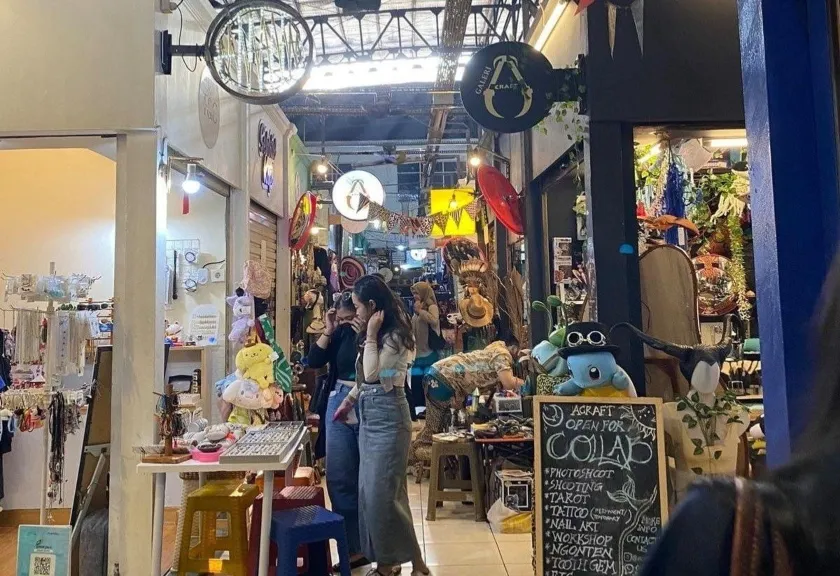
Travelling does not always mean visiting beaches, hiking mountains, or heading to popular tourist spots just to take photos. Among Generation Z, a new travel trend has emerged that offers a different way to experience a city: snackpacking, exploring destinations while hunting for local snacks, especially at traditional markets.
This trend turns markets into part of the Travel Experience. More than just places to buy food, markets provide opportunities to understand local community habits, interact directly with vendors, and taste the culinary specialties that define a region.
For Gen Z, this kind of experience holds unique appeal. Trips feel much more connected to local daily life, itineraries are far more flexible, and every snack discovered becomes an interesting story to share on social media.
READ ALSO
Indonesia's New Face of Tourism in the Hands of Gen Z, Meaningful Experiences Become the Core Attraction
Minang Cuisine in Singapore, Warong Nasi Pariaman Closes on January 31 After 78 Years
Saudi Arabian Culinary Tourism: From National Dishes to Legendary Cuisine
Snackpacking is also relatively budget-friendly. With an allocated budget of around IDR 50,000 to IDR 100,000, travellers can sample a wide variety of snacks, depending on food prices and available options at each destination.
Why Is Snackpacking So Popular Among Gen Z?
There are several reasons this trend is increasingly attractive for young travellers.
First, snackpacking delivers a far more authentic experience. Traditional markets offer a one-of-a-kind atmosphere through food aromas, vendor calls, bargaining activity, and personal interactions that cannot be found in modern shopping centres.
Second, this culinary travel style gives visitors full freedom to plan their own route. Travellers can wander from stall to stall, try food in small portions, and continue exploring whenever something catches their interest.
Third, traditional markets have strong visual appeal. The bright colours of the snacks, how vendors present their food, and the bustling market atmosphere all make excellent content for TikTok, Instagram, and YouTube.
However, snackpacking is not just a trend for chasing social media content. This growing interest in local cuisine also opens doors for young people to learn about the richness of Indonesian Culture through everyday food.
From Sumatra to Papua, every region has its own unique snacks, food ingredients, and culinary traditions. Traditional markets are one of the best places to start this journey of discovery.
1. Pasar 16 Ilir, Palembang: Hunt for Pempek and Kemplang Crackers
Pasar 16 Ilir is the perfect starting point for snackpacking in Palembang, South Sumatra. Located in the city's commercial district right beside the Musi River, this market buzzes with daily city life, lined with stalls, busy trade activity, and all kinds of daily necessities for locals.
Travellers can hunt for all kinds of Palembang Specialty Cuisine here: from bite-sized pempek fish cakes, tekwan soup, model dumplings, to crispy fish crackers and kemplang. For those with a sweet tooth, maksuba cake and lapis kojo layered cake are also well worth adding to your list.
The most enjoyable way to experience this market is to try small portions of multiple different foods. This way, your culinary adventure will not end after just one dish.
Once you have finished trying snacks, you can continue along the Musi River waterfront to enjoy the riverside atmosphere and learn about Palembang's historical side. In one single trip, you can combine culinary exploration, market life, and city sightseeing.
2. Pasar Santa, Jakarta: Local Snacks Meet Creative Youth Culture
In Jakarta, Pasar Santa offers an atmosphere perfectly aligned with modern youth lifestyles. This market is famous for its mix of food and drink stalls, independent Coffee shops, and small creative businesses, making a visit here feel very different from an ordinary traditional market.
Snackpackers can grab coffee from tiny local kiosks, try kue cubit mini pancakes with all kinds of toppings, trendy modern snacks, and fusion dishes that combine local flavours with contemporary presentation.
The appeal of Pasar Santa goes far beyond food. Many stalls also sell vintage collectibles including vinyl records, old books and magazines, accessories, and local handmade creative products.
This combination of good food and community-made goods makes Pasar Santa ideal for travellers wanting to see a different side of Jakarta. Visitors can sample food, hunt for unique items, and observe how this traditional market space has adapted and evolved with modern urban popular culture.
3. Lok Baintan Floating Market, South Kalimantan: Snack From Onboard Boats
While most markets are explored on foot, Lok Baintan Floating Market offers an entirely different experience. All trade activity happens right on the river, with vendors using small boats to carry farm produce, food ingredients, and Traditional Food.
The early morning atmosphere is the heart of the experience here. Boats drift close to one another as buyers and sellers make transactions, showcasing the riverine traditions that still form the core of Banjar community daily life.
For food, travellers can try the sweet, soft bingka cake, apam Barabai steamed cakes, assorted moist traditional cakes, and fresh local fruits. Those after a more filling meal can also opt for lontong orari rice dish.
At Lok Baintan, snackpacking is about much more than just eating. Visitors also get to observe how local people interact, bargain, and use the river as their everyday public space for work and life.
This experience makes travel feel deeply connected to local traditions, and offers a type of tourism completely unlike visiting restaurants or modern food hubs.
4. Pasar Ngasem, Yogyakarta: Traditional Cuisine Next To Historical Sites
Yogyakarta knows exactly how to spoil culinary travellers. Pasar Ngasem is the perfect addition to any snackpacking itinerary, especially for visitors who want to enjoy local snacks while also exploring Historical Districts.
At this market, visitors will find every kind of classic market snack and Yogyakarta specialty dish. Gudeg young jackfruit stew makes an excellent main meal, while warm wedang herbal drinks are perfect for relaxing after wandering the market lanes.
All items are priced for every budget, so visitors can easily adjust their choices to match their travel allowance. Travellers are also encouraged to sample multiple different snacks to get the full range of local flavours.
Another major advantage is that Pasar Ngasem is located very close to the Taman Sari Water Palace. After hunting for food, you can continue your trip by exploring this historical royal complex.
This combination of culinary experience and historical sightseeing makes snackpacking in Yogyakarta feel exceptionally complete. Travellers don't just taste the region's signature flavours, they also gain an understanding of the city's Cultural Heritage.
5. Pasar Hamadi, Jayapura: Taste The Flavours Of Papua
In Jayapura, Papua, Pasar Hamadi offers visitors the chance to experience coastal community life alongside the region's rich local food resources. This market bustles with trade of fresh seafood, vegetables, tropical fruits, spices, and all kinds of daily necessities.
For snackpackers, a visit to Pasar Hamadi is an opportunity to try sago-based snacks, bagea cookies, assorted prepared fish dishes, and other local traditional foods.
Sago is a staple food deeply embedded in Papuan culinary tradition. Trying sago-based dishes is a wonderful introduction to the diverse food resources and eating customs of Indonesia's easternmost region.
Pasar Hamadi also offers Cultural Experiences beyond food. Travellers can browse local handicrafts including the traditional woven noken bag, as well as accessories and artworks that reflect the identity of local Papuan communities.
For this reason, a trip to Pasar Hamadi is not just about hunting for snacks—it is also an opportunity to get to know Papua's cultural richness through food, handicrafts, and direct interactions with local people.
Snackpacking Opens New Opportunities For Indonesian Tourism
The snackpacking trend has the potential to bring widespread benefits to Indonesia's tourism sector. When travellers choose traditional markets as travel destinations, small local businesses get the chance to introduce their products to visitors from outside the region.
Snack vendors, home food producers, craftspeople, and souvenir sellers all benefit from this growing interest in local culinary travel. This trend also encourages travellers to extend their trips by visiting nearby historical sites or other tourist attractions around the market.
Social media also plays an important role, helping introduce regional cuisine to much wider audiences. One single viral snack can spark enough curiosity to bring travellers all the way to a location just to try it for themselves.
That said, developing snackpacking tourism must prioritize market cleanliness, visitor comfort, waste management, and the sustainability of markets as living economic spaces for local communities. Traditional markets are not just backdrops for social media content—they are places where local people earn their living and go about their daily lives.
At the end of the day, snackpacking proves that memorable travel does not require large budgets or far-flung destinations. From pempek in Palembang to sago snacks in Jayapura, traditional markets offer a simple, intimate way to get to know Indonesia: through its flavours, its traditions, and the stories of its people.










Belum ada komentar. Jadilah yang pertama!