
Indonesia's New Face of Tourism in the Hands of Gen Z, Meaningful Experiences Become the Core Attraction
Wednesday, 28 October 2026 | 15:30
Author: Arif S

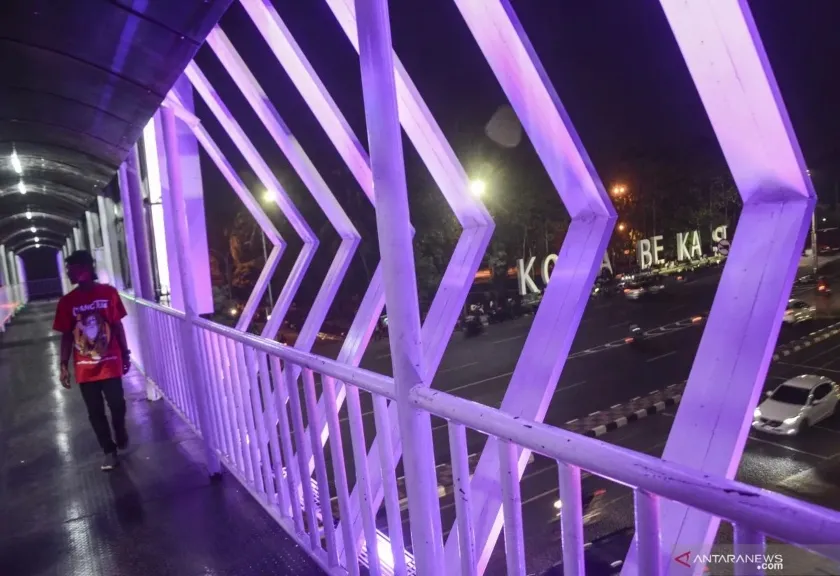
Generation Z is reshaping how people approach travel. For Young Travellers, holidays are no longer just about chasing aesthetic photos for social media. Instead, they see trips as an opportunity to discover new experiences, connect with local culture, and step away from the exhaustion of daily routines.
This shift has also driven the growth of urban tourism. Destinations that combine open public spaces, natural surroundings, and themed travel concepts are increasingly drawing the attention of young people who want both visually striking environments and memorable activities during their trips.
Hospitality industry representative Yudhitia Kurniawan explained that visual appeal is one of the top priorities for Generation Z when selecting both Travel Destinations and accommodation.
READ ALSO
The Snackpacking Trend Among Gen Z: Travelling While Hunting for Local Snacks
BBTE 2026 Strengthens Central Java Tourism Through Industrial Collaboration and Destination Promotion
Yogyakarta and Bali are the Ministry of Tourism's flagship locations for promoting Indonesian culinary tourism.
However, this appeal always goes hand in hand with comfort and the fundamental need for proper rest.
"Generation Z is extremely selective. They don't just look for comfortable spaces—they want locations with strong visual identity. Shareable experiences have become a critical added value," Yudhitia stated.
Not Just Chasing Aesthetic Photos
There is no denying social media plays a role in introducing destinations to young travellers. Eye-catching photos and videos can spark curiosity, but the on-location experience remains the core of any trip.
2025 data from Indonesia's Central Statistics Agency (BPS) records that 67.2% of Generation Z travel specifically to refresh their mind. A further 18.5% take trips to explore local culture, while 14.3% travel solely to seek out new life experiences.
These figures confirm that rest and rejuvenation remains the primary reason young people travel. While social media may act as the gateway to discovering new places, comfort, on-ground experience, and overall trip satisfaction are what ultimately define how attractive a destination truly is.
For this reason, Gen Z travel trends cannot be reduced to simply wanting to visit photogenic locations. This generation also seeks distinct atmospheres, hands-on activities to participate in, and lasting meaningful experiences that stay with them long after their holiday ends.
Hotels and Destinations Adapting to Gen Z Trends
These shifting preferences are pushing the Tourism Industry to develop more creative spaces. Hotels and destination operators are now prioritising thematic design, communal public areas, and even lighting schemes that enhance visitor mood and overall experience.
Careful space design has become a core way for destinations to build their identity. Locations with distinct, memorable character will encourage visitors to stay longer, enjoy their time, and share their experience with others.
That said, aesthetic appeal is not the only factor to prioritise. Comfort, service quality, cleanliness, and relevant on-site activities remain essential to ensure travellers do not only visit just to take a photograph.
For industry players, this shift opens up opportunities to develop far more varied tourism products.
Relaxation experiences, natural environment immersion, themed attraction visits, and local community engagement can all be packaged into cohesive travel itineraries tailored to young people's interests.
Bekasi Offers Urban Travel Alternatives
The city of Bekasi and its surrounding areas now host a growing number of destinations gaining traction among young travellers. Options range from natural recreation sites to purpose-built themed attractions.
Bekasi Bamboo Forest offers lush green seclusion right within the urban landscape, while Sabana Delta Mas provides wide open grasslands unlike the typical built-up city scenery.
Situ Rawa Gede caters to visitors seeking calm waterside atmosphere, while Trans Snow World Bekasi delivers a unique indoor snow recreation experience.
This variety gives travellers options for a change of scenery without having to travel far from Jakarta's greater metropolitan area. Every one of these locations has the potential to offer far more value than just a background for photos.
This visual travel trend presents an opportunity for both urban tourism development and growth of the Creative Economy in Bekasi.
"Instagrammable travel is not just about photographs. When managed properly, good aesthetic design can act as a gateway to boost local economies and put previously underrated destinations on the map," said Yudhistira.
When developed consistently, this appeal can help promote lesser known travel spots. Increased visitor numbers also creates opportunities for local Business operators, including food vendors, creative product makers, and all supporting travel services.
Aesthetics Must Go Hand In Hand With Sustainability
The rising popularity of visual-focused travel also brings new challenges. Destination operators must ensure that space design and facility development do not come at the cost of the local environment or the quality of life for surrounding communities.
Sustainable management is critical to ensure a location's appeal does not fade once the initial trend passes.
Public open spaces, natural Conservation areas, and community-based destinations require planning that balances environmental carrying capacity with visitor needs.
Yudhitia expressed hope that the development of visual tourism in Bekasi will be paired with responsible, long-term spatial planning. This way, destinations will not only serve digital content needs, but also elevate the overall quality of the Travel Experience for everyone.
"With accurate data integration and targeted regional planning, Bekasi is positioned to become a leader in West Java's urban tourism market, catering to a generation that values both beauty and genuine meaning in every journey," she concluded.
Ultimately, Generation Z is redefining the face of Indonesian Tourism through their travel priorities, blending aesthetic appeal, comfort, and authentic meaningful experiences.









Belum ada komentar. Jadilah yang pertama!