
Gen Z Slow Travel: Enjoying Destinations for Longer Periods and Rejecting Overtourism
Thursday, 29 October 2026 | 21:43
Author: Arif S

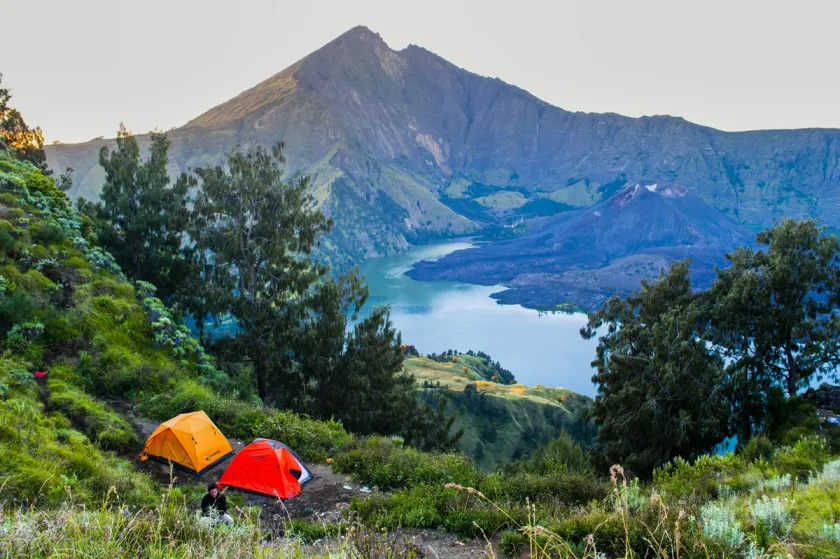
Holiday Trends among young people are shifting. Where travel once usually meant rushing through many popular destinations in a short window, more and more young travellers now choose Slow Travel: unrushed, intentional tourism.
They prefer to stay longer in one location, get to know local community life, and enjoy their trip without the stress of packed, rigid schedules.
Rather than chasing five viral tourist spots in just two days, Young Travellers are turning to rural tourism villages and small towns as places to rest while immersing themselves in local life. Walking on foot, using Public Transport, and trying regional specialty food are all core parts of this Travel Experience.
READ ALSO
Gen Z Laid-Back Travel: Experiences Are More Valuable Than Just Photo Spots
Gen Z Travel Trend: Short Videos on TikTok and Instagram Influence Destination Choices
Gen Z's Favorite Cities: Characteristics of the Young Generation's Dream Cities to Live and Thrive In
This shift also creates an opportunity for Tourism Destinations to reduce strain caused by Overtourism — the excessive overcrowding of visitors at high-profile tourist areas.
By spreading visitor traffic geographically and staying for longer periods, travellers can deliver greater economic benefit to local communities without increasing overcrowding at major landmark attractions.
For many young people, slow travel has become a way to recover from work routines and the constant overload of digital information.
Holidays are no longer just about changing physical location. They have become an opportunity to slow the pace of life, soak in their surroundings, and build closer connection with the environment around them.
Voluntourism As Personal Development For Generation Z
Alongside slow travel, voluntourism (volunteer tourism) has also grown as a popular travel choice for Young Generations. University students and young working professionals are now using semester breaks and annual leave to join social outreach, wildlife Conservation, environmental preservation, and teaching programs in remote rural communities.
These activities offer an experience very different from conventional holidays. Travellers do not only arrive as passive visitors — they actively contribute to the community or environment of their destination.
Erifili Gounari, CEO and founder of marketing research institute The Z Link, explains this trend is tied to how Generation Z defines the purpose of youth and travel.
"Generation Z does not see travel as just a casual break for entertainment. Instead, they view it as a form of self-development. That is why travel programs that offer exclusive, socially meaningful experiences are so highly sought after by this group," stated Gounari in the joint Young Traveller Behaviour Study by The Z Link & NY Times Travel Analysis.
The experience of creating positive impact holds unique appeal for Young Travellers. For many, the satisfaction of supporting local communities or conservation work feels far more meaningful than staying at Luxury Hotel resorts.
That said, voluntourism programs must be designed responsibly. Activities must address actual community needs, partner with local stakeholders, and deliver tangible benefits — otherwise they risk becoming nothing more than regular tourism wrapped in a performative social label.
Tourism Villages And Small Local Businesses Benefit From Sight-Doing
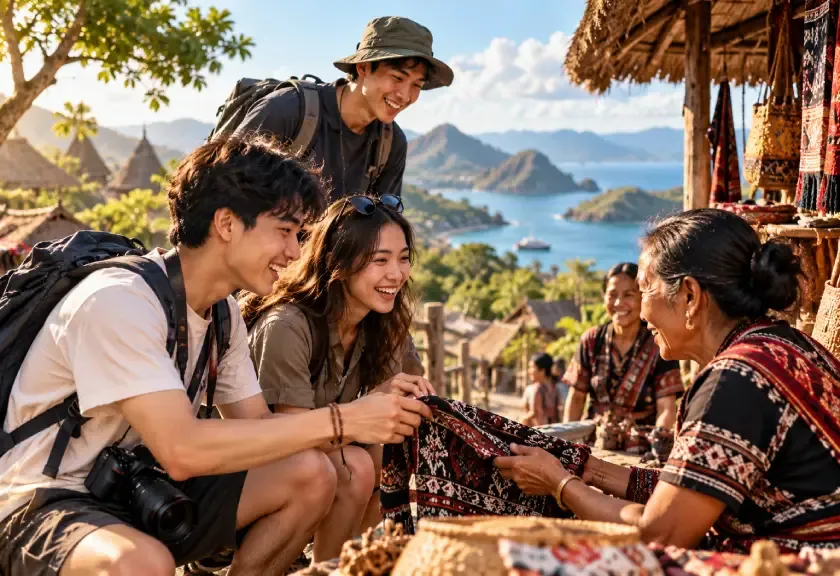
This shifting trend also unlocks economic opportunities for communities at Tourism Destinations. Young travellers now prioritise 'sight-doing' — taking part in interactive activities at their destination — instead of only passive sightseeing to admire views.
They seek out batik craft workshops, traditional cooking classes, hands-on farming activities with local residents, and first-hand lessons about regional handicrafts. These activities create personal, memorable experiences while also introducing visitors to local Cultural Heritage.
Small business owners feel this impact directly. Travellers who join craft classes, stay at locally run homestays, or eat at neighbourhood food stalls directly drive community economic activity.
This spending pattern creates direct income opportunities for local tour guides, accommodation owners, artisans, farmers, and food vendors. Money spent by travellers circulates within the local community, rather than being concentrated solely with large corporate tourism chains.
The Ministry of Tourism notes that developing tourism built around local cultural potential can support long-term, resilient regional economic growth.
Slow Travel Paves A New Path For Sustainable Tourism
Growing interest in slow travel, voluntourism and sight-doing confirms that meaningful experience is now the core factor driving travel decisions for Young Generations.
They are not just searching for interesting places to visit — they want to understand local life and leave a positive impact wherever they go.
For destination managers across Indonesia, this trend presents an opportunity to develop more in-depth Travel Packages.
Tourism villages can offer programs such as host family stays, cultural immersion activities, Culinary Tourism and nature experiences, all designed within the environmental carrying capacity of the area.
This approach reduces a destination's reliance on mass short-stay visitor influxes. Travellers who stay for longer have more time to properly connect with the area, and will spend more money at local businesses.
However, the success of slow travel is not measured only by how long visitors stay. Proper environmental stewardship, authentic high-quality experiences, meaningful community participation and fair distribution of economic benefits remain critical success factors.
Ultimately, this trend offers an entirely different way to experience travel: instead of rushing to tick off as many locations as possible, travellers take the time to properly understand and connect with one destination.
For Indonesia's tourism sector, this approach offers a path to preserve destinations for the long term, while also expanding economic benefits for local communities.







Belum ada komentar. Jadilah yang pertama!