
Gen Z Healing Trend: Ultralight Backpacking, Lighter Hiking Without Compromising Safety
Wednesday, 4 November 2026 | 13:15
Author: Arif S

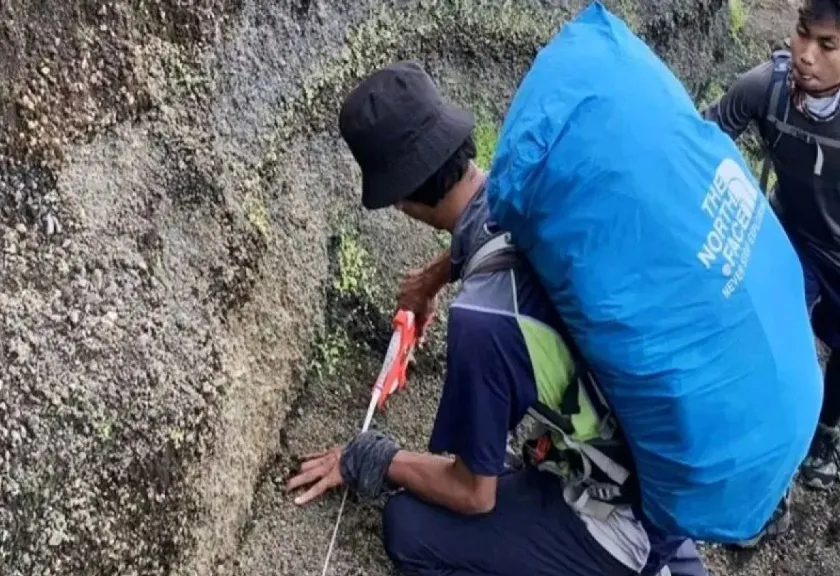
Large-sized hiking backpacks are no longer the only option for young climbers. Across various outdoor communities, compact-designed gear with simple, understated colours have started to gain traction. This trend runs parallel to the rising popularity of Ultralight Backpacking, a hiking philosophy that prioritises bringing only the most efficient equipment possible on the trail.
For Gen Z, hiking is not solely about reaching the summit and taking in the views. The experience throughout the entire journey also holds equal importance. This is why practical, comfortable, and visually appealing gear is increasingly factored in when planning their trips.
At its core, the ultralight backpacking concept focuses on reducing the total weight of carried gear, without compromising on essential needs while out in the wilderness. Climbers opt for multi-purpose equipment, lighter construction materials, and only items that are truly necessary for the specific nature of their hike.
READ ALSO
The Dangers of Mountain Climbing During Extreme Weather with Heavy Rainfall
Dangers of Mountain Climbing in Extreme Heavy Rainfall Weather
From Kilimanjaro to Mont Blanc, 9 Tall Mountains That Are Beginner Climbers' Dream
REI, the United States-based outdoor recreation retail and education organisation, explains that there is no single universal definition for ultralight backpacking. The concept instead centres around selecting only essential gear while keeping overall weight as low as possible.
In its updated guide published March 2026, REI defines base weight as the total weight of the backpack and all gear stored inside it, excluding food, water, and fuel.
REI also notes that cutting down carried weight means climbers must be far more deliberate when selecting their gear, and fully understand the tradeoffs that come with every choice they make.
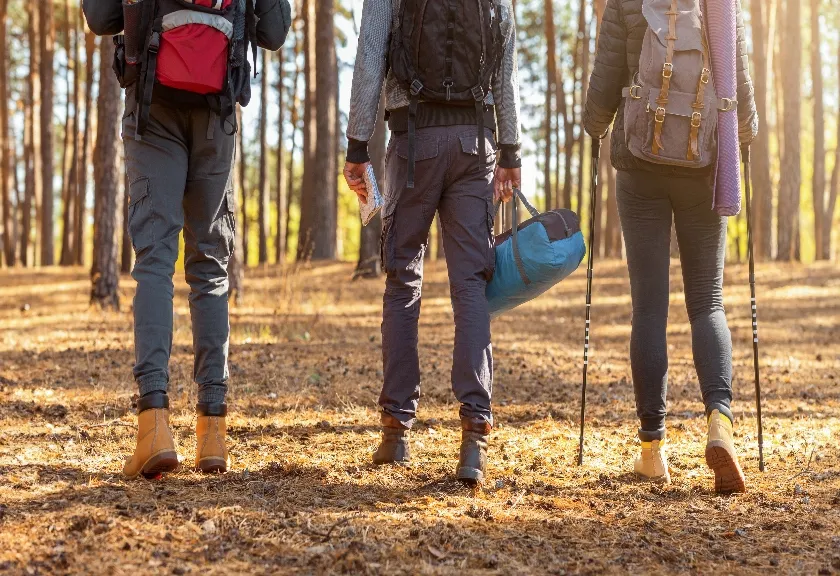
This shift has shaped preferred hiking equipment. Smaller capacity backpacks, lightweight tents, compact sleeping pads, windbreaker jackets, and multi-function cooking gear are all standard items considered by hikers following the ultralight style.
Aesthetic appeal also plays a notable role. Earth tone colourways, minimal designs, and pastel palettes have brought outdoor gear much closer to mainstream Lifestyle trends.
For many young climbers, gear does not only need to be comfortable to use—it also needs to look good when captured in trip photos or videos.
That said, the lightweight hiking principle must never be misinterpreted as bringing as few items as possible without proper planning.
REI cautions that ultralight gear comes with inherent compromises, including reduced durability and comfort. Regardless of their preferred hiking style, all climbers are still required to carry standard safety equipment.
The Ministry of Forestry has placed safety as a core priority in hiking trail management. In policy announcements released May 2026, the Ministry confirmed the implementation of a grading system that classifies trail difficulty levels according to associated risk.
Assessment results place Mount Rinjani at Grade IV, classified as difficult, while other trails across different regions carry varying risk levels.
This classification system helps hikers understand trail terrain characteristics before finalising their Travel plans. Gear that works well for short, relatively easy hikes will not necessarily be sufficient for long routes with harsh terrain, unpredictable weather, or natural hazard risks.
For this reason, hikers must adjust their pack weight according to trip duration, terrain conditions, weather forecasts, and their own physical capabilities. Navigation tools, lighting equipment, Rain and Cold Temperature protection, water reserves, and first aid supplies must always be included in trip preparations.
Ultimately, ultralight backpacking offers a new, more efficient way to enjoy hiking. Lighter packs and aesthetically pleasing gear can absolutely be part of young people's hiking style.
However, a successful hike is never measured by How small someone's backpack is, or how impressive their trip photos turn out. It is defined by how well a hiker prepared themselves, and how they prioritised safety every step of the way.





Belum ada komentar. Jadilah yang pertama!