
Rupsi, India's Hidden Gem That Has Suddenly Caught Travelers' Attention as a Go-To Destination for 2027
Monday, 12 October 2026 | 18:00
Author: Respaty Gilang

India has long been synonymous with the grandeur of the Taj Mahal, the bustle of Delhi, and the historic palaces of Jaipur. However, in the northeastern part of the country, there is a region that offers a distinct experience for travellers looking to explore wild nature, royal heritage, and local community life. This place is Rupsi, an area in Assam that is starting to draw tourist attention ahead of 2027.
Interest in Rupsi surged after the Skyscanner Travel Trends Report 2027 recorded a 502 percent jump in flight searches for this destination compared to the previous year. This figure places Rupsi in second position on the list of fast-growing emerging destinations among Indian Travellers, just behind Bishkek, Kyrgyzstan.
That said, this increase in search volumes does not automatically mean that actual Tourist Arrival Numbers have risen at the same proportion. This data is more accurately interpreted as a signal of growing curiosity towards destinations that have not yet reached the popularity of India's main tourist hubs.
READ ALSO
Travel Alert: Canada Asks Citizens to Avoid High-Risk Areas in India
Taj Mahal Regains Status as India's Most Popular Destination, Its Charm Remains Undiminished.
Golf Course in Tea Plantation Has Potential as Sports Tourism Destination
Rupsi's appeal lies in its position as the gateway to western Assam. From here, travellers can plan itineraries to explore biodiverse forest areas, historic religious sites, royal family heritage, and villages that still preserve local craft traditions.
For travellers tired of conventional tourist routes, this region offers a reason to experience India from an entirely different perspective.
Exploring Raimona National Park and its Wildlife Habitats
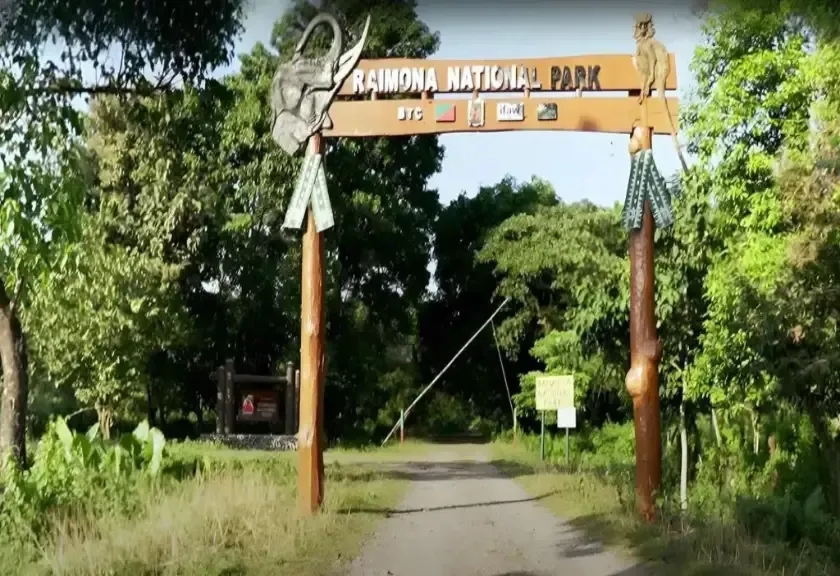
One experience well worth adding to any travel itinerary is a visit to Raimona National Park. Located in Kokrajhar district, this National Park spans approximately 422 square kilometres and is famous as the habitat of the golden langur, an iconic primate native to the Bodoland region.
Alongside this primate, the forest area is also home to Asian elephants, gaur, Indian wild dogs, plus a wide variety of bird and butterfly species. This rich biodiversity makes Raimona a draw for nature lovers, birdwatchers, and travellers wishing to learn about the ecosystems of northeast India.
Trips to this national park should always be planned with a local operator or guide who knows access routes to the area. Visitors must also be aware of Conservation rules, and understand that encounters with wild animals are never guaranteed.
According to official Bodoland Tourism information, the period from autumn through to early spring is the most favourable time to plan a visit. Weather conditions and road status should always be verified before departure, especially following periods of heavy rainfall.
Tracing the Royal Heritage of Gauripur
Rupsi also provides access to Gauripur, an area with preserved royal historical heritage. One notable landmark here is the Matiabagh Royal Palace, also commonly referred to as the Hawa Mahal.
This palace is tied to the former Gauripur royal family and forms an important part of Assam's local history. Visiting this area offers an alternative perspective on community life and cultural development outside of India's more well-known tourist centres.
Gauripur also has connections to the Goalparia folk music tradition, as well as Indian cinema history through the figure of Pramathesh Chandra Barua. This blend of history, art and royal legacy makes the area perfect for travellers who prefer Story-driven travel experiences.
Note that travellers should always confirm public access status to the palace grounds before including it in their travel plans.
Discovering Spiritual Heritage Along the Brahmaputra River Banks
A trip to western Assam is not only focused on nature and royal history. This region is also home to a number of sacred sites that hold important stories about the spiritual life of local communities.
In Dhubri, the Gurudwara Sri Guru Teg Bahadur Sahib Ji stands on the banks of the Brahmaputra River. This Sikh place of worship is one of the most important religious landmarks in the region, and is linked to the history of Guru Tegh Bahadur during the 17th century.
Its riverside location gives travellers the chance to experience Dhubri through the intersection of history, religious tradition, and daily community life along the Brahmaputra.
Additionally, the Mahamaya Dham temple in Bogribari is an important pilgrimage site for local residents. This temple offers another insight into the spiritual traditions that have developed across Assam.
When visiting these sacred sites, travellers are advised to respect local regulations, dress appropriately, and observe all visitor guidelines for religious areas.
Visit Asharikandi: The Village Preserving Traditional Craftsmanship
For travellers who prefer Cultural Experiences over just visiting landmarks, Asharikandi village in Dhubri district is highly recommended.
This village is renowned for its traditional terracotta pottery craft. The pieces created by local artisans demonstrate generations of skill in shaping clay into items that are both functional and artistically significant.
A visit to this craft village offers a very different experience to stopping at shopping centres or souvenir stores. Travellers will have the chance to observe the production process, learn about traditions passed down through generations, and understand how local crafts form part of the community's identity.
Those wishing to interact directly with artisans are advised to arrange their visit in advance. Demonstrations and visitor activities are subject to artisan availability and local arrangements.
Enjoying Nature in Saralpara With Bhutan Mountain Backdrops
For landscape enthusiasts, Saralpara offers an atmosphere entirely removed from urban areas. This destination is known for its clear streams and springs, lush green surroundings, and unobstructed views towards the foothills of Bhutan.
Saralpara is located further from Rupsi than most nearby historical and religious attractions. For this reason, trips here are best planned as a dedicated standalone itinerary, rather than a quick stopover.
The natural surroundings make it an ideal choice for travellers looking for Outdoor Activities, quiet picnics, or simply a break from busy city life. That said, road conditions, weather, local access and on-site facilities should always be confirmed prior to travel.
What Is The Best Time To Visit Rupsi?
The period between October and April is recommended for exploring western Assam. This window allows travellers to plan balanced itineraries combining cultural visits, Heritage Tourism, and outdoor activities.
For travellers prioritising a visit to Raimona National Park, the autumn to early spring period is also suitable. However, conservation area operating schedules, weather conditions and site access must always be confirmed shortly before departure.
Monsoon season brings heavy rainfall which can severely disrupt overland travel. For this reason, travellers should not rely only on general weather forecasts, and always check local official updates before confirming travel dates.
How To Reach Rupsi And Plan Your Itinerary
Rupsi is served by a domestic airport operated by the Airports Authority of India. Official airport authority information confirms that Rupsi has flight connections to Guwahati and Kolkata. However, flight schedules, operating days and ticket availability should always be rechecked before booking travel.
Travellers may also opt to take a train service to Kokrajhar, then continue onwards by road transport. The best transport option will depend on which attractions you intend to visit, and your arrival schedule.
For a 2 to 3 day trip, travellers can prioritise Gauripur, Dhubri and Asharikandi. If you wish to include Raimona National Park or Saralpara, allocate additional travel time as these destinations are located significantly further apart.
Since attractions are spread across multiple districts, hiring a private vehicle or arranging transport through a local operator will make travel far more efficient. Accommodation availability and attraction access should also be confirmed prior to departure.
Rupsi And The New Travel Trend: Seeking More Personal Experiences
The growing interest in Rupsi demonstrates how off-the-beaten-path destinations can gain traction as travellers look for new, authentic experiences. Its appeal does not come from dramatic postcard views alone, but from the unique combination of biodiversity, local history, religious tradition and everyday community life.
While the soaring flight search numbers do not guarantee Rupsi will become a mass tourism destination overnight, this trend illustrates the potential for lesser-known regions to reach wider traveller markets.
For travellers, Rupsi serves as inspiration to plan trips that go beyond just checking off famous landmarks, and instead seek to understand the stories that define a place. For local communities meanwhile, this growing tourist interest can create economic opportunities, provided tourism development is carried out with respect for the environment, local culture, and the needs of residents.
Ultimately, the magic of travelling to western Assam lies in the chance to know India from another side. Not through grand monuments or bustling major cities, but through living forests, forgotten history, living craft traditions, and genuine encounters with local culture.










Belum ada komentar. Jadilah yang pertama!