
Sade Traditional Village Engulfed in Fire, Lombok's Cultural Tourism Faces a Severe Ordeal
Monday, 31 August 2026 | 16:02
Author: Rojes Saragih

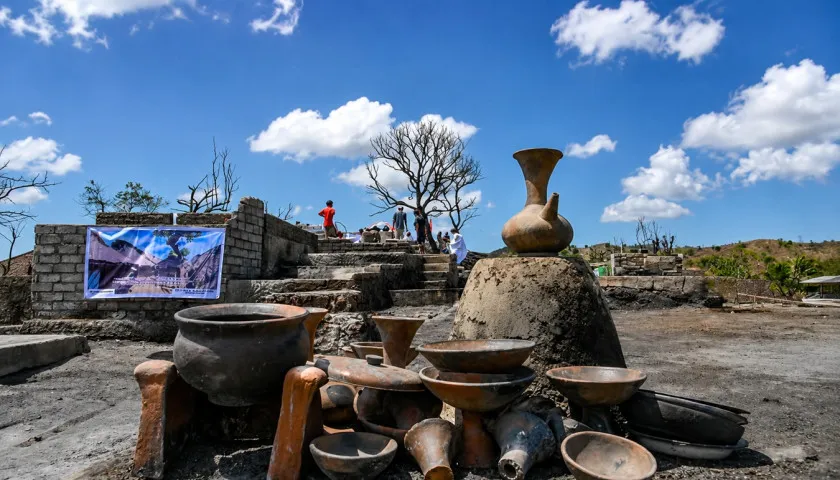
Sade Traditional Village, located in Central Lombok Regency, West Nusa Tenggara (NTB), has for many years stood as one of the Cultural Tourism destinations that introduces Sasak ethnic community life to visitors.
Traditional homes, handweaving activities, local performing arts, and the daily life of the indigenous population form the core visitor experience when travelling to this settlement.
Today, the identity of Sade Traditional Village has been altered permanently after a large fire swept through the area on 22 August 2026. The blaze did not only destroy physical buildings: it also gutted the community's living spaces and the entire tourism-driven local economy that had developed here over decades.
READ ALSO
Sade Begins Recovering, the Ministry of Tourism Provides Working Capital Assistance for MSMEs as well as Tourism Promotion Support.
Ende Traditional Village Has Become the Preferred Destination Following the Sade Village Fire, with Tourist Visit Numbers Showing a Significant Rise.
MotoGP Mandalika 2026 Reaches 150 Thousand Visitors, Lombok Is Increasingly Gaining Attention From Travelers
Indonesian Tourism Minister Widiyanti Putri Wardhana stated total estimated losses from the fire reach IDR 33.84 billion.
"We have received confirmed reports that total losses amount to IDR 33.84 billion, and we have already established coordination with the regional government," Widiyanti stated during a formal working meeting with Commission VII of the Republic of Indonesia House of Representatives in Jakarta on Monday, 31 August 2026.
Official government records show 75 traditional residential homes were impacted. The fire also destroyed dedicated heritage structures within the Sade precinct: four Berugak Sekenam communal pavilions, six Berugak Sakepat assembly pavilions, and one Bale Beleq grand traditional meeting hall.
Damage extended far beyond residential and cultural buildings. Eight rice storage granaries, one public toilet facility, the village main entrance gate, one traditional goods shed, one indigenous community mosque, and 69 local micro, small and medium enterprise craft shops were also damaged or completely destroyed.
Behind these official statistics lie the lives of hundreds of residents who depended entirely on tourist visits for their household income.
A total of 320 tourism workers across 189 separate households were affected by the fire. This group includes 75 local tour guides, 120 traditional weavers, 60 souvenir vendors and small business operators, 30 traditional dancers and gendang beleq percussion performers, 15 parking attendants and security officers, and 20 members of the local Tourism Awareness Group (Pokdarwis).
For this community, the fire was never just about losing physical structures. The blaze destroyed their workplaces, market stalls, performance spaces, and an entire way of life that had been built alongside the tourism sector.
Thousands Of Visitors Once Passed Through This Village
Sade Traditional Village is one of 21 hamlets that form the wider Rembitan Tourism Village. According to Indonesia's national Tourism Village Network (Jadesta) database, Rembitan Tourism Village is currently classified as a developing tier destination.
As stated by Minister Widiyanti, Sade Village received an average of 200 tourist visits every normal day. During peak travel season, this figure would surge to between 500 and 1,000 visitors daily.
This steady flow of tourists acted as the engine driving the entire local community economy.
During low travel seasons, estimated daily economic turnover in Sade Village ranged between IDR 22.5 million and IDR 35 million. In peak season periods, this daily turnover would reach approximately IDR 50 million.
These figures demonstrate that tourism in Sade was never just an activity where visitors arrived, took photographs, and departed without impact.
Behind every single tourist arrival there was a tour guide working, a weaver selling their craft, a vendor running their stall, an artist giving a performance, and local residents operating parking and security services.
This is why when the village buildings and tourism infrastructure burned down, the shockwaves rippled all the way through every link of the local economic chain.
Working To Revive Sade
Authorities have launched both immediate emergency response and long-term recovery plans. In the first phase, the government is distributing emergency food stocks to displaced residents, running empowerment programmes for affected community members and tourism workers, providing trauma healing support, and delivering technical training and capacity building for the local Pokdarwis group.
The Ministry of Tourism is also coordinating the establishment of community public kitchens and logistical aid distribution through the Lombok Tourism Polytechnic, in formal partnership with the National Disaster Mitigation Agency (BNPB), Indonesian National Armed Forces, National Police, and the Indonesian Red Cross (PMI).
Authorities also plan to construct a temporary cultural exhibition space and temporary mosque so that community activity in the area can resume as quickly as possible.
This step is considered high priority as the government aims to keep Sade Village accessible for visitors, particularly ahead of the upcoming MotoGP grand prix event hosted in Lombok.
"This will ensure the village can still welcome tourists when the MotoGP event takes place," Widiyanti confirmed.
For long term recovery, the government will form a cross-ministerial and inter-agency dedicated task force to oversee full rehabilitation of Sade Village. Planned measures include opening a centralised official donation account, drafting a full heritage-sensitive reconstruction master plan, and constructing proper habitable housing for all displaced residents.
Ultimately, restoring Sade will never be as simple as rebuilding burned wooden structures.
There are living oral traditions and cultural practices that must be protected, livelihoods that must be restored, and a shared cultural space that for decades served as the bridge between the Sasak community and visitors from across Indonesia and around the world.
Fire may have scorched the physical face of Sade Traditional Village. But the greatest challenge, once the final embers have cooled, will be rekindling the community's way of life and the beating heart of tourism in this village.









Belum ada komentar. Jadilah yang pertama!