
Indonesia's Geological Wealth: Bojonegoro Has the Opportunity to Become Indonesia's 13th Global Geopark
Saturday, 7 November 2026 | 15:00
Author: Arif S

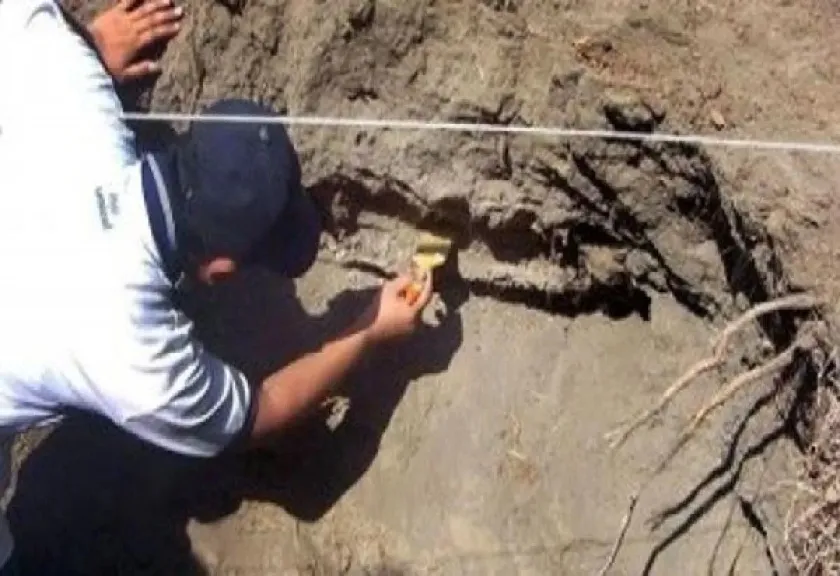
Bojonegoro is moving ever closer to official recognition as one of the world's global geoparks. The UNESCO Global Geoparks Council has recommended this East Java region for new membership status as a UNESCO Global Geopark (UGGp), following reviews and deliberations at the 11th Council session held in Paris, France, from 2 to 4 November 2026.
This recommendation represents a major milestone for Bojonegoro, achieved after completing the full submission and independent evaluation process. The region's unique geological formations, petroleum industry heritage, and active grassroots community participation were the key factors that stood out to the UNESCO assessment panel.
Bojonegoro Geopark encompasses 20 designated geosites, 3 biosites, and 8 Cultural Heritage locations. The territory brings together geological legacy, local biodiversity, and indigenous traditions that form the core cultural identity of surrounding communities.
READ ALSO
Gen Z Slow Travel: Enjoying Destinations for Longer Periods and Rejecting Overtourism
Case of Turtle Killing and Fish Shooting in Raja Ampat, Perpetrators Are Undergoing Legal Proceedings
Indonesian Cuisine Becomes a Magnet, Foreign Tourists Enjoy Gastronomy Tourism
Highlighted sites within the geopark include Wonocolo Texas, Kayangan Api, Kedung Lantung, Kawengan Anticline, Negeri Atas Angin, the Wonocolo Formation, Bulu Beji Formation, and Banyu Kuning.
The region's appeal extends well beyond its natural landforms. Bojonegoro also preserves valued Cultural Heritage such as the traditional Samin Village settlement and Thengul Wayang puppetry, which deepen visitor experiences while demonstrating the longstanding interdependence between local people and their natural environment.
Petroleum History As A Defining Attraction
One of the greatest unique strengths of Bojonegoro Geopark is its well-documented industrial petroleum heritage. The region retains intact geological traces and historical oil extraction records that carry significant academic value for global earth science research.
The UNESCO Council specifically commended this distinctive tectonic structure Profile and petroleum history record. Active community engagement, cross-stakeholder collaboration between local government and partner groups, and the existing standard of site management were also noted as positive assessment outcomes.
"The Bojonegoro Geopark nomination was accepted by the UNESCO Global Geopark Council with unanimous voting support. This result constitutes the formal UGG Council recommendation to grant full UNESCO Global Geopark status to Bojonegoro," stated Helmy Elisabeth, Head of Bojonegoro Regency Regional Development Planning Agency, on Tuesday.
Despite receiving full council endorsement, this is not the final official designation. UNESCO has listed Bojonegoro among 11 new geopark candidates that will be forwarded for final ratification to the UNESCO Executive Board at its Spring 2027 session.
Upon formal approval, Bojonegoro will become Indonesia's 13th official UNESCO Global Geopark, increasing the country's total recognised sites from 12 to 13.
Tourism Opportunities And Outstanding Preparations
UNESCO recognition is projected to bring significantly greater global visitor attention to Bojonegoro. However this opportunity will require adequate destination readiness, including improved access infrastructure, visitor amenities, educational geological interpretation, and properly trained tour guide capacity.
Geotourism development must also be structured to ensure local communities are the primary beneficiaries of economic activity. Increased visitor numbers should create fair livelihood opportunities for local guides, food vendors, artisans, village tourism operators and all small businesses surrounding geopark sites.
UNESCO defines Conservation, public education and sustainable development as the three non-negotiable core pillars for all global geopark management. This means growth in Tourist Visitation must never be achieved at the expense of the region's natural integrity or the cultural values of local communities.
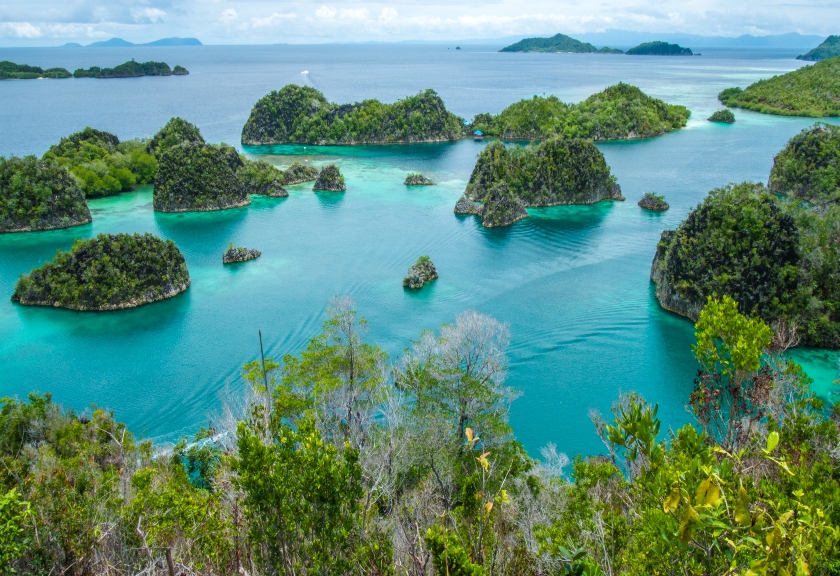
Within Indonesia, Bojonegoro will join the existing 12 UNESCO recognised geoparks: Batur, Belitong, Ciletuh-Palabuhanratu, Gunung Sewu, Rinjani-Lombok, Toba Caldera, Raja Ampat, Maros-Pangkep, Merangin Jambi, Ijen, Kebumen and Meratus.
Bojonegoro now holds the opportunity to present its geological and cultural heritage on the international stage. The next steps will involve awaiting final UNESCO ratification, while continuing to develop site management practices that uphold both community interests and Environmental Conservation.








Belum ada komentar. Jadilah yang pertama!